


What's Happening?
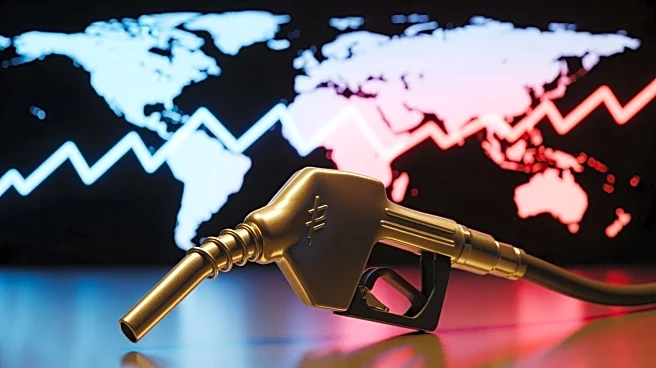
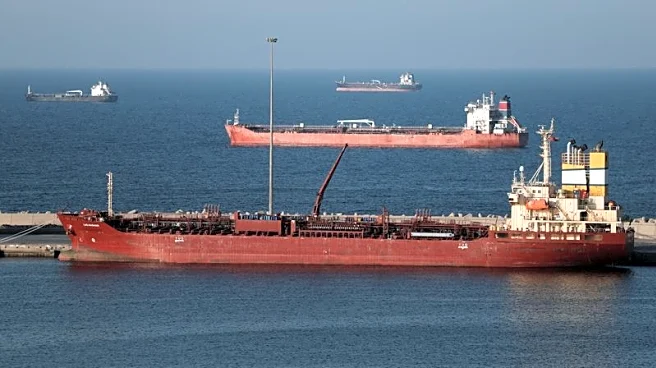
The ongoing conflict with Iran has led to a significant increase in oil and gas prices in the United States, affecting various sectors including transportation and agriculture. The disruption in the Strait of Hormuz, a critical passage for global oil supply,
has contributed to the price surge. Diesel prices, in particular, have risen sharply, impacting industries reliant on transportation. The U.S. Energy Information Administration notes that oil accounts for only half the cost of gasoline, with refining, taxes, and marketing comprising the rest. The seasonal rise in fuel demand during warmer months further exacerbates the situation. As the world's leading oil producer, the U.S. is still subject to global market dynamics, which dictate domestic fuel prices.
Why It's Important?
The increase in energy costs due to the Iran conflict has widespread economic implications. Higher fuel prices strain consumers and businesses, leading to increased costs for goods and services. This situation poses challenges for sectors like agriculture and logistics, which depend heavily on diesel. The financial burden extends to households, with rising heating oil prices affecting residential energy bills. The conflict underscores the vulnerability of global supply chains and the interconnectedness of international markets. Policymakers and industry leaders must navigate these challenges to mitigate economic impacts and ensure energy security.
What's Next?
The resolution of the conflict and the resumption of shipping in the Strait of Hormuz are critical to stabilizing oil and gas prices. In the meantime, stakeholders may explore alternative energy sources and strategies to reduce dependency on volatile regions. The situation may prompt discussions on energy policy and investment in domestic infrastructure to enhance resilience. As the market adjusts, consumers and businesses will need to adapt to fluctuating prices and potential supply disruptions. Ongoing monitoring and strategic planning will be essential to address the economic and geopolitical challenges posed by the conflict.