
What's Happening?
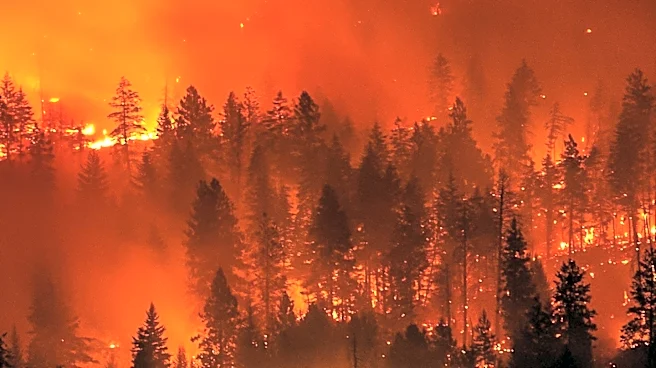
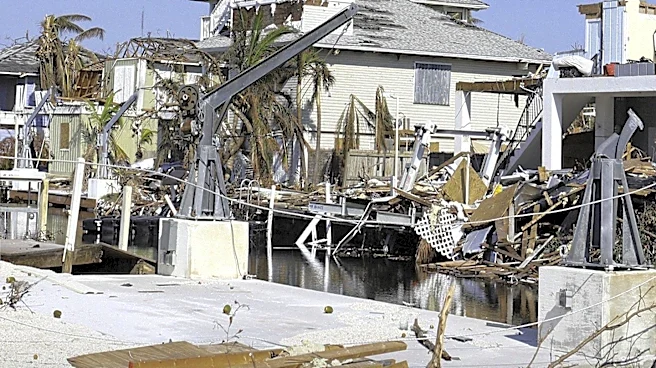
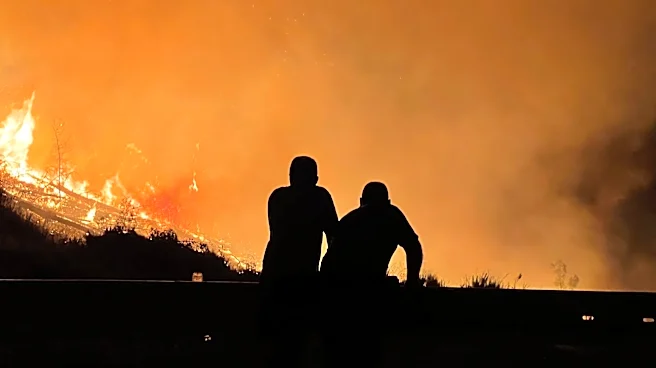
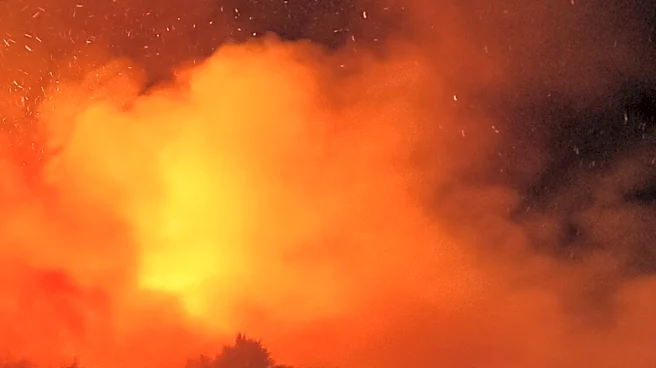
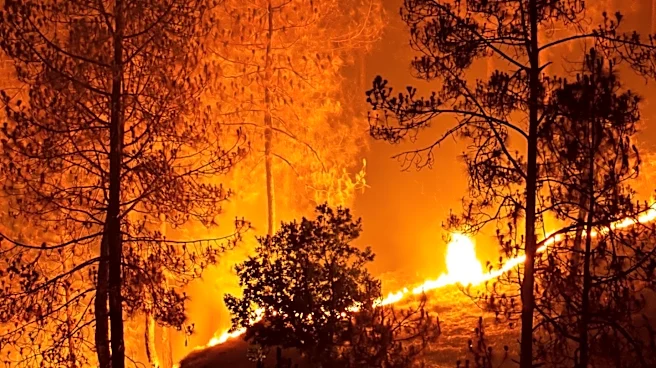
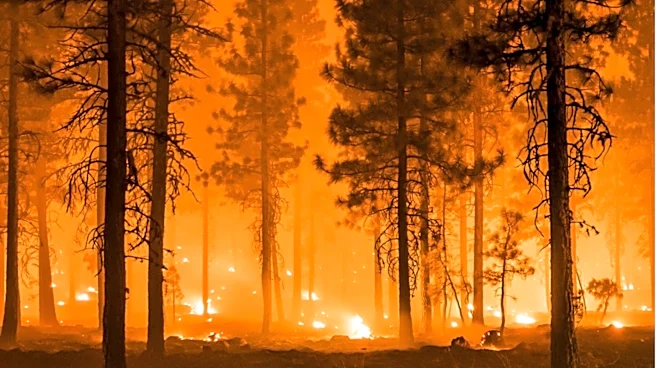
In Washington state, approximately 60,000 residents have been forced to evacuate due to severe wildfires. The fires have destroyed hundreds of buildings and left thousands without power. These wildfires are part of a broader pattern of extreme weather
events exacerbated by human-induced climate change, which has led to warmer, drier conditions. Such conditions increase the likelihood of wildfires, heatwaves, and potential droughts during the summer months.
Why It's Important?
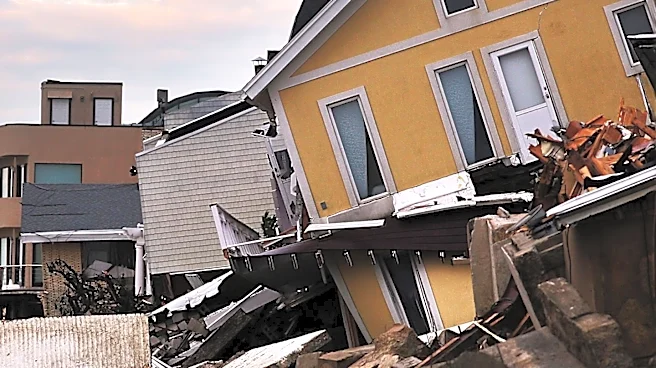
The wildfires in Washington highlight the growing challenges posed by climate change, particularly in terms of public safety and infrastructure resilience. The need for effective emergency response and long-term strategies to mitigate climate impacts is becoming increasingly urgent. The economic costs of these disasters are significant, affecting local economies, insurance industries, and government resources. Additionally, the displacement of thousands of residents underscores the human toll of climate-related disasters.
What's Next?
Efforts to contain the wildfires are ongoing, with emergency services working to manage evacuations and provide support to affected communities. In the long term, there may be increased pressure on policymakers to implement more robust climate action plans and invest in infrastructure that can withstand extreme weather events. Public awareness and advocacy for climate change mitigation and adaptation strategies are likely to grow as communities seek to prevent future disasters.
Beyond the Headlines
The situation in Washington serves as a stark reminder of the broader implications of climate change, including its impact on public health, environmental sustainability, and economic stability. The increasing frequency and intensity of wildfires may lead to shifts in land use policies, urban planning, and resource management. This event also highlights the importance of global cooperation in addressing climate change and its effects.