
What's Happening?
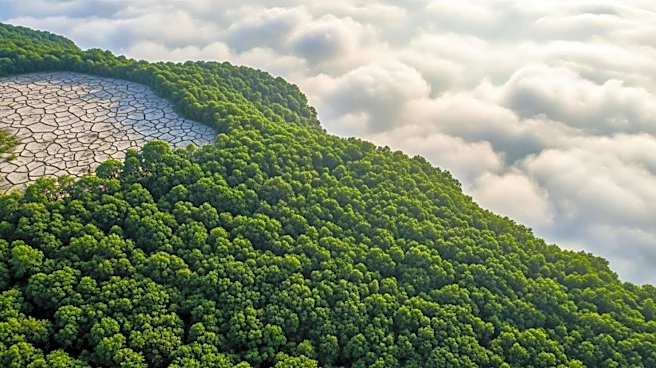
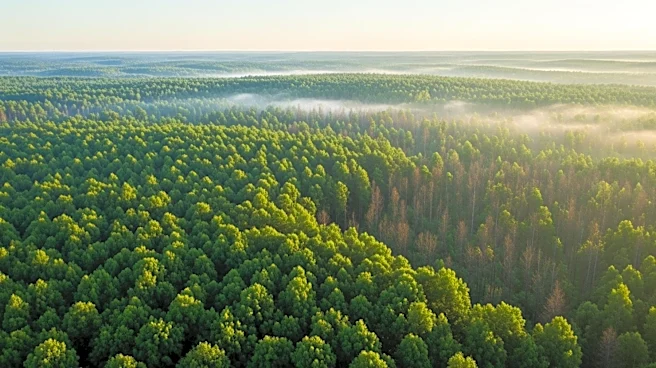
In 2025, global forest loss saw a significant decline, dropping by 36% from the previous year, according to data from the University of Maryland and the World Resources Institute's Global Forest Watch.
Despite this reduction, the world still lost 10.6 million acres of rainforest, an area comparable to the size of Denmark. The decrease follows a record high in forest loss in 2024, driven by severe wildfires and agricultural expansion. The report highlights that while the loss of mature tropical forests has slowed, it remains 46% higher than a decade ago. Outside the tropics, countries like Canada and France experienced severe wildfire seasons, contributing to significant tree-cover loss. The analysis includes deforestation for agriculture, timber harvesting, and natural disturbances. Efforts to curb forest loss are ongoing, with countries like Brazil implementing stronger environmental policies under President Luiz Inácio Lula da Silva, resulting in a 42% reduction in primary forest loss from the previous year.
Why It's Important?
The reduction in forest loss is a positive development in the global fight against climate change, as forests play a crucial role in carbon sequestration and biodiversity preservation. However, the continued high rate of deforestation poses a significant challenge to meeting international climate goals, such as those set at the COP26 summit, where over 100 countries pledged to halt and reverse forest loss by 2030. The ongoing destruction of forests threatens biodiversity hotspots and carbon sinks, exacerbating climate change impacts. The report underscores the need for sustained efforts to address the drivers of deforestation, including agricultural expansion and wildfires, which are intensified by climate change. The situation in Brazil, where policy changes have led to a reduction in deforestation, serves as a model for other countries facing similar challenges.
What's Next?
Countries will need to continue and enhance their efforts to meet the 2030 target for halting forest loss. This includes implementing and enforcing stronger environmental policies, investing in fire prevention and control, and addressing the underlying economic drivers of deforestation, such as agriculture and demand for forest products. International cooperation and support will be crucial in assisting countries with limited resources to protect their forests. Monitoring and reporting on forest loss will remain essential to track progress and hold countries accountable to their commitments. The success of these efforts will depend on balancing economic development with environmental conservation, ensuring that forests are preserved for future generations.
Beyond the Headlines
The decline in forest loss highlights the complex interplay between environmental policy, economic pressures, and climate change. While policy changes in countries like Brazil have shown positive results, the broader challenge remains in addressing the root causes of deforestation, such as poverty and demand for agricultural land. The situation underscores the importance of integrating sustainable development goals with climate action, ensuring that economic growth does not come at the expense of environmental degradation. The role of indigenous communities and local stakeholders in forest conservation is also critical, as they often possess valuable knowledge and vested interests in preserving their natural environments.