





What's Happening?
California has released its Fifth Climate Change Assessment, a comprehensive report detailing the state's vulnerability to climate change and outlining potential solutions. The assessment, which is now legally required every five years, integrates cutting-edge
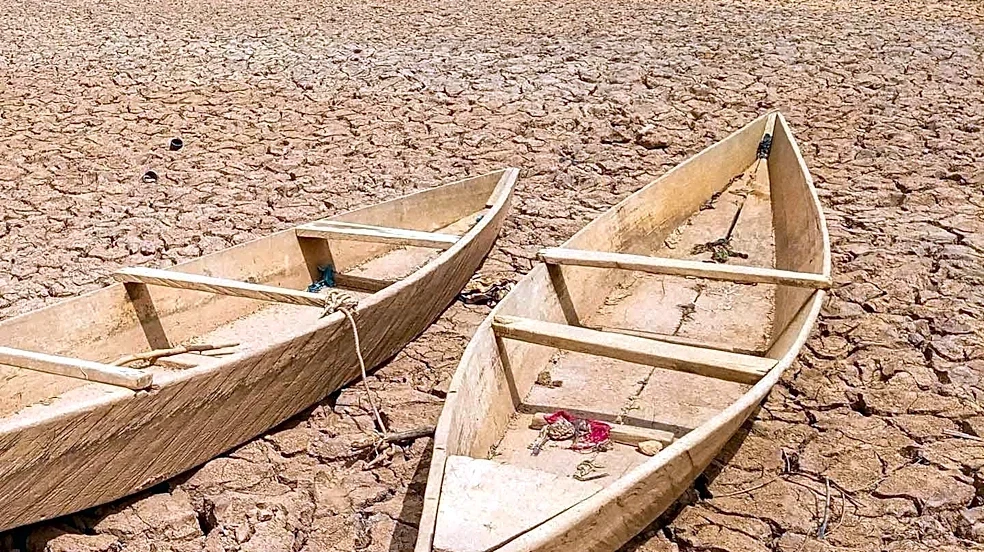
climate science with community and Tribal input. Key findings indicate that California is experiencing more extreme and frequent climate events than previously anticipated. The 2020–2022 drought left thousands of domestic wells dry, particularly in disadvantaged communities, followed by a winter of atmospheric rivers that caused widespread flooding. The state has also seen a significant increase in wildfires, with nine of the ten largest on record occurring in the last decade. Temperatures are projected to rise significantly, with average increases of 3.5°F to 4.3°F by 2050 and 5.7°F to 8°F by 2100. The snowpack, a crucial water reservoir, is expected to shrink by 40% by mid-century and 60% by the end of the century. Weather whiplash, characterized by frequent swings between very wet and very dry years, is becoming the norm, and sea level rise threatens coastal communities and property.
Why It's Important?
The Fifth Climate Change Assessment is critical for California as it provides a scientific foundation for developing equitable resilience policies. The report highlights that climate change impacts disproportionately affect vulnerable populations, including farmworkers, Tribes, rural communities, renters, and low-income individuals, who often have the fewest resources to recover. The economic implications are substantial, with home insurance premiums rising by an average of 85% between 2020 and 2026, partly due to wildfire costs. The assessment's focus on warming levels rather than just dates allows for more targeted planning and investment in protective measures. By localizing projections, the report offers specific insights for California's diverse regions, from valleys to mountains and coasts. The inclusion of community and Tribal perspectives ensures that proposed solutions are relevant and address the real-world needs of affected populations, moving beyond theoretical science to practical, on-the-ground strategies.
What's Next?
The assessment emphasizes a shift towards implementing solutions, many of which are already being tested across the state. These include community-led land repurposing initiatives, such as the Allensworth Progressive Association's Agroecology Hub and Fairmead residents' transformation of an almond orchard into a stormwater basin. Managed aquifer recharge is identified as a key strategy to bank floodwater underground, converting future floods into water supplies for droughts. Floodplain restoration and smarter reservoir operations, guided by Tribal communities, are also highlighted. The report advocates for Tribal stewardship, including prescribed and cultural fire practices, to reduce catastrophic wildfire risks. Furthermore, clean energy and climate-smart farming practices, such as solar on repurposed farmland and agrivoltaics, are promoted to create jobs and reduce emissions. The findings will inform future policy decisions and investments aimed at building a more resilient California, with a focus on protecting vulnerable communities and ecosystems.
Beyond the Headlines
The assessment underscores a deeper societal challenge: the interconnectedness of climate change with social justice and economic equity. The disproportionate impact on disadvantaged communities reveals systemic vulnerabilities that climate change exacerbates. The report's emphasis on community and Tribal involvement in shaping scientific understanding and solutions represents a significant shift towards more inclusive and effective climate action. The long-term implications extend to the fundamental restructuring of California's agricultural system, which was built on water availability and a climate that no longer exists. The potential decline in irrigated acreage by up to 40% necessitates a re-evaluation of land use and economic models. The assessment also implicitly critiques the lack of a robust National Climate Assessment, suggesting that a failure to measure and understand climate threats at a national level will lead to higher costs and greater suffering, particularly for those with the fewest resources.