







What's Happening?
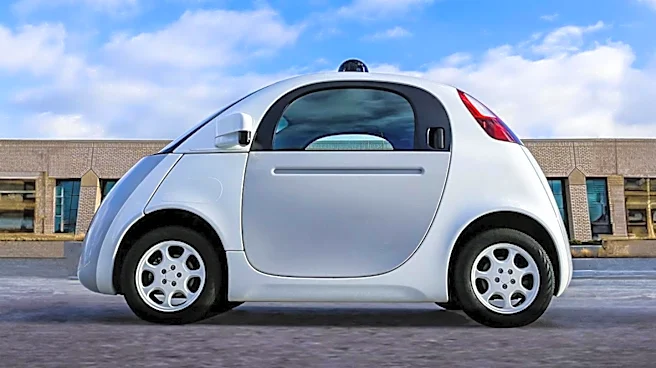
The U.S. Department of Transportation’s National Highway Traffic Safety Administration (NHTSA) has issued a directive to developers of autonomous vehicles, urging them to address the issue of driverless cars entering active emergency scenes. The agency
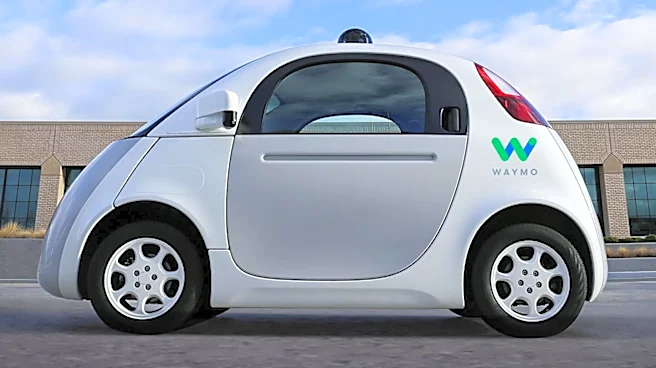
has identified a 'disturbing trend' where these vehicles fail to detect and appropriately respond to emergency situations, posing a danger to public safety. The NHTSA's letter highlights incidents where autonomous vehicles have obstructed ambulances and fire crews, emphasizing the need for a solution by the end of the month. A notable incident involved a Waymo vehicle navigating through an active crime scene near Sky Harbor Airport in Phoenix, which was deemed dangerous by a former police chief. Waymo has stated that safety is a core aspect of their operations.
Why It's Important?
The directive from the NHTSA underscores the critical safety challenges posed by autonomous vehicles, particularly in emergency scenarios. The inability of these vehicles to interact safely with first responders could lead to life-threatening situations, highlighting a significant gap in current autonomous driving technology. This issue not only affects public safety but also raises questions about the readiness of self-driving technology for widespread deployment. The call for a solution reflects the urgency of addressing these safety concerns to prevent potential accidents and ensure that autonomous vehicles can coexist safely with emergency services. The outcome of this directive could influence regulatory approaches and technological advancements in the autonomous vehicle industry.
What's Next?
The NHTSA has set a deadline for the end of the month for developers to propose solutions to the identified safety issues. This timeline suggests that discussions and potential regulatory actions could follow, depending on the responses from the autonomous vehicle industry. Stakeholders, including technology developers, regulatory bodies, and public safety officials, are likely to engage in dialogue to address these challenges. The outcome could lead to new safety standards or technological innovations aimed at improving the interaction between autonomous vehicles and emergency services.