





What's Happening?
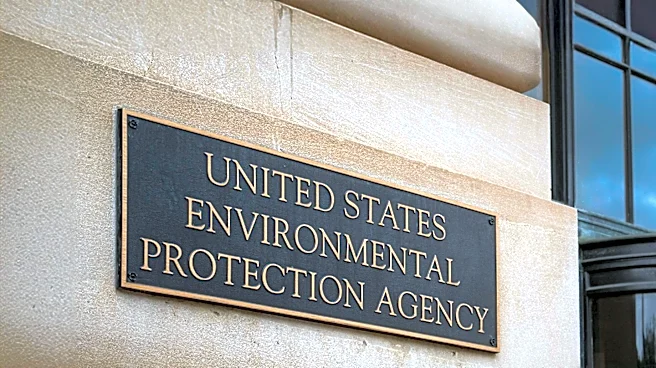
The Environmental Protection Agency (EPA) underscores the multifaceted benefits of trees, emphasizing their essential role in protecting public health and the environment. According to the EPA, trees and other vegetation significantly reduce extreme heat
by providing shade and cooling the air through evapotranspiration, a process similar to sweating. This natural cooling effect helps mitigate urban heat islands, where temperatures can be substantially higher than in surrounding vegetated areas. Beyond temperature regulation, trees are crucial for improving air quality by absorbing pollutants, trapping harmful particles, and releasing oxygen, which helps reduce ground-level ozone. Furthermore, trees play a vital role in protecting water quality by filtering out pollutants before they reach waterways and by absorbing rainwater, which reduces erosion and prevents flooding. The EPA also notes that green spaces encourage physical activity and foster stronger communities by providing gathering places and enhancing neighborhood resilience. These combined benefits highlight trees as a critical natural infrastructure for healthy communities.
Why It's Important?
The EPA's emphasis on the health and environmental benefits of trees is crucial for urban planning, public health initiatives, and climate change adaptation strategies across the U.S. As urban areas continue to expand and climate change intensifies, the natural cooling provided by trees becomes increasingly vital in combating extreme heat, which can exacerbate chronic health conditions and lead to heat-related illnesses. Improved air quality directly impacts respiratory health, reducing instances of asthma attacks and other lung-related issues, particularly in densely populated areas. The role of trees in water management is also significant, as they help prevent costly flood damage and protect drinking water sources from contamination. By promoting physical activity and community cohesion, trees contribute to both individual well-being and social capital, fostering healthier and more resilient neighborhoods. This comprehensive understanding from the EPA provides a strong scientific basis for policies that support tree preservation and planting, making it a key component of sustainable urban development and public health policy.
What's Next?
Given the EPA's emphasis on the importance of trees, future initiatives are likely to focus on promoting urban forestry and green infrastructure projects. This could include increased funding for tree-planting programs in cities, incentives for developers to incorporate green spaces into new constructions, and educational campaigns to raise public awareness about the benefits of trees. Local governments and community organizations may be encouraged to develop and implement tree canopy goals, aiming to increase tree cover in underserved areas that often experience higher temperatures and poorer air quality. Research into the most effective tree species for specific urban environments and climate conditions may also expand. Furthermore, policies related to stormwater management and air quality regulations could increasingly integrate tree-based solutions as a cost-effective and natural approach. The EPA's stance could also influence state and federal grant programs, prioritizing projects that demonstrate a commitment to expanding and maintaining urban forests as a public health and environmental strategy.
Beyond the Headlines
The EPA's recognition of trees as essential infrastructure extends beyond immediate environmental and health benefits, touching upon deeper societal and economic implications. The presence of trees and green spaces can significantly impact property values, contributing to economic vitality in neighborhoods. From an equity perspective, access to green spaces is often unevenly distributed, with lower-income communities and communities of color frequently having less tree cover, leading to disproportionate exposure to heat and pollution. The EPA's messaging implicitly calls for environmental justice, advocating for equitable distribution of these natural assets. Culturally, trees connect communities to nature, offering aesthetic value, recreational opportunities, and a sense of place. Their role in supporting biodiversity within urban ecosystems also contributes to ecological resilience. Long-term, integrating tree preservation and planting into urban planning represents a shift towards a more holistic understanding of infrastructure, where natural systems are valued alongside built environments for their critical contributions to human well-being and ecological balance. This perspective encourages a more sustainable and integrated approach to urban development.