



What's Happening?
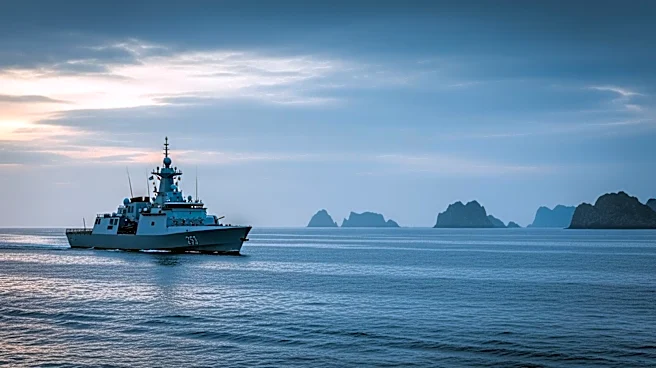
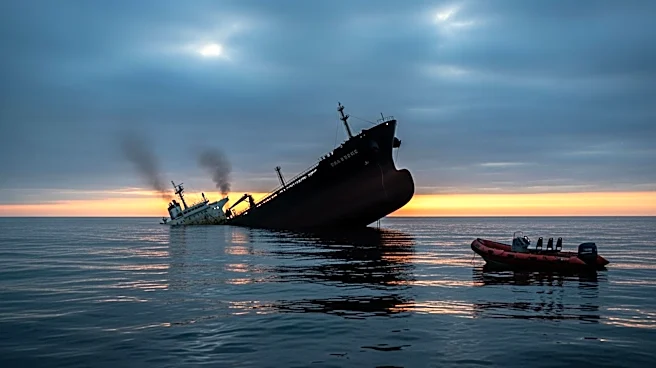
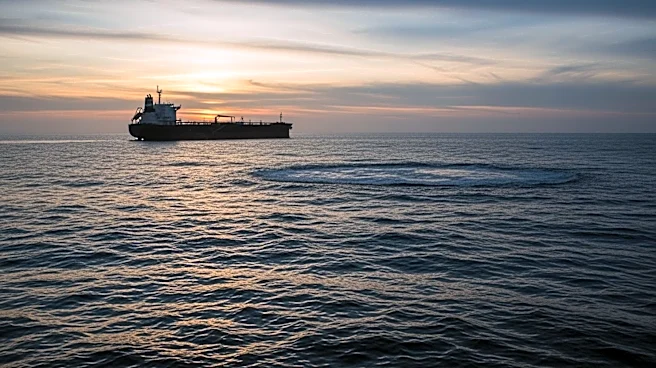
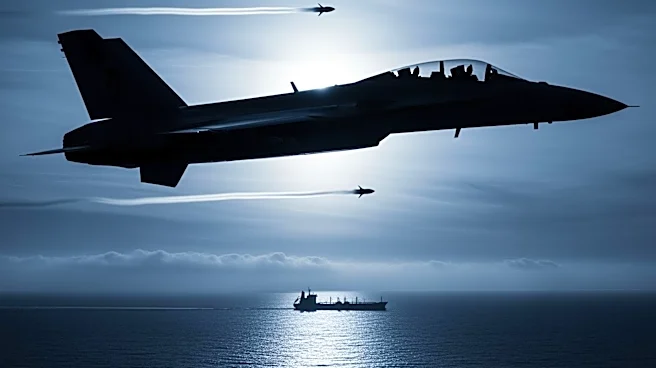
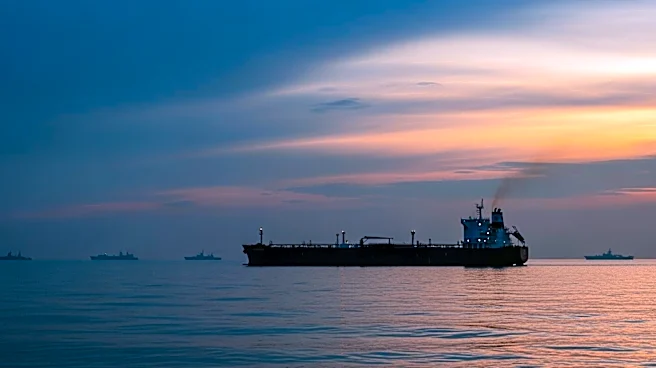
A Palau-flagged product tanker, identified as the Settebello, issued a distress call after being struck by U.S. forces off the coast of Oman. The incident occurred as part of the U.S. naval blockade against Iran, aimed at preventing the transport of Iranian
oil. U.S. Central Command confirmed the attack, stating that precision munitions were used after the tanker failed to comply with orders. Reports indicate that two crew members are missing, and one is injured, with unconfirmed claims of three fatalities. The attack has drawn international condemnation, with India's Ministry of External Affairs and the International Maritime Organization expressing deep concern over the targeting of civilian vessels.
Why It's Important?
The incident underscores escalating tensions in the Gulf region, with significant implications for international shipping and geopolitical stability. The U.S. blockade aims to exert economic pressure on Iran, but the resulting confrontations risk broader conflict and disruption of global oil supplies. The attack on the Settebello highlights the dangers faced by civilian seafarers and raises questions about the legality and humanitarian impact of such military actions. The international community, particularly countries with nationals involved, may push for diplomatic resolutions to prevent further escalation.
What's Next?
The situation is likely to prompt diplomatic discussions and calls for de-escalation from affected nations and international bodies. The U.S. may face increased pressure to justify its actions and ensure the safety of international shipping lanes. Iran's response to the blockade and attacks could further influence regional dynamics, potentially leading to retaliatory measures or negotiations. Monitoring of the situation by global maritime and political entities will be crucial in the coming days.