







What's Happening?
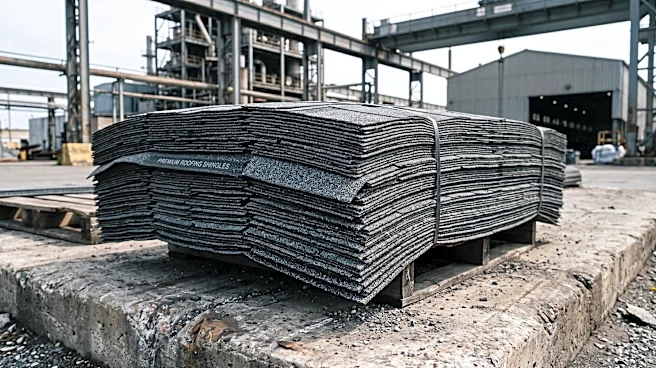
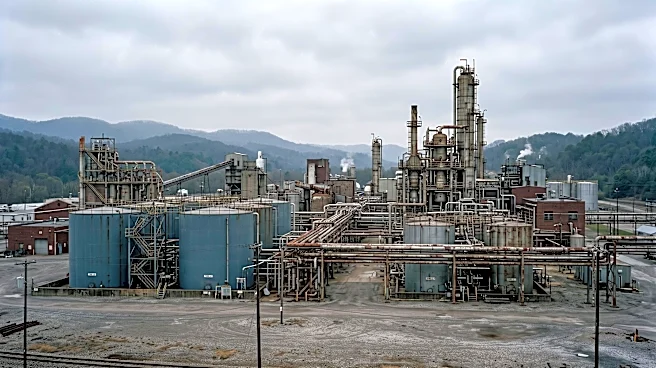
Residents of North Minneapolis have initiated a class-action lawsuit against Owens Corning, a company that operates an asphalt roofing shingle factory in the Shingle Creek neighborhood. The lawsuit alleges that the factory has failed to adequately control
odors and pollutants, which residents claim have negatively impacted their health and well-being. This legal action follows a U.S. Environmental Protection Agency (EPA) finding four months prior, which determined that the factory violated the Clean Air Act by emitting excessive sulfur dioxide pollutants. Five local residents are named as initial plaintiffs, and the class-action nature of the suit invites all residents living within three-quarters of a mile of the factory to join. The plaintiffs contend that the odors and pollution from the factory diminish their ability to enjoy their property and have caused health issues, citing previous complaints to city and state officials and citations for odor violations.
Why It's Important?
This class-action lawsuit highlights the ongoing environmental justice concerns in urban areas, particularly in neighborhoods historically affected by industrial pollution and redlining practices. The legal action against Owens Corning underscores the significant impact that industrial operations can have on the quality of life and health of surrounding communities. The EPA's prior finding of Clean Air Act violations lends substantial weight to the residents' claims, indicating a regulatory basis for their grievances. This case could set a precedent for how industrial facilities are held accountable for environmental impacts in residential zones, potentially influencing environmental regulations and corporate responsibility standards. For Owens Corning, the lawsuit represents a significant legal and reputational challenge, with potential financial implications from damages and the cost of implementing stricter pollution controls. It also brings to the forefront the tension between industrial activity and community health in densely populated areas.
What's Next?
The lawsuit is currently seeking an undetermined amount in damages, and no hearings have been scheduled yet. Owens Corning has declined to comment on the pending litigation. The legal process will likely involve discovery, expert testimonies, and potentially mediation or a trial. The outcome could compel Owens Corning to invest in new equipment and chemical additives to mitigate odors and emissions, as suggested by the lawsuit. Beyond the immediate legal proceedings, this case may prompt increased scrutiny from environmental regulatory bodies at both state and federal levels on similar industrial facilities located near residential areas. It could also galvanize other communities facing similar environmental challenges to pursue legal action or advocate for stronger environmental protections. The community's continued engagement and the legal process will determine the extent of the factory's future operational changes and the compensation for affected residents.
Beyond the Headlines
This lawsuit delves into the complex interplay of historical urban planning, environmental regulations, and corporate accountability. The mention of the factory's non-conforming status under city zoning codes and the historical context of redlining in the surrounding residential neighborhoods reveal deeper systemic issues. These practices historically concentrated industrial sites and their associated pollution in areas designated for communities of color, perpetuating environmental inequities. The lawsuit, therefore, is not just about current pollution but also about rectifying long-standing environmental injustices. It raises ethical questions about corporate responsibility to communities, especially when operations predate modern environmental standards or are situated in historically disadvantaged areas. The case could contribute to a broader national dialogue on environmental justice, pushing for policies that prioritize community health and well-being over industrial convenience, and potentially influencing future land use planning and zoning regulations to prevent similar conflicts.