




What's Happening?
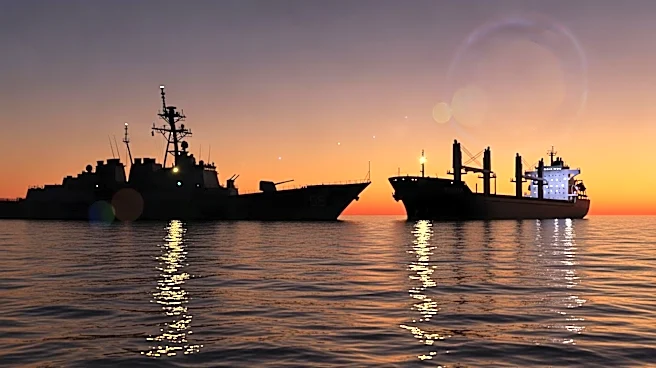
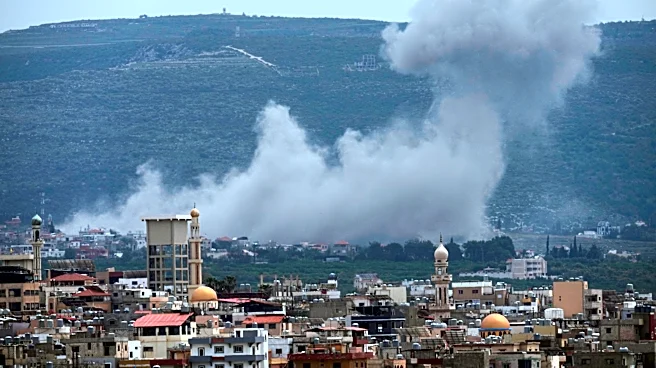
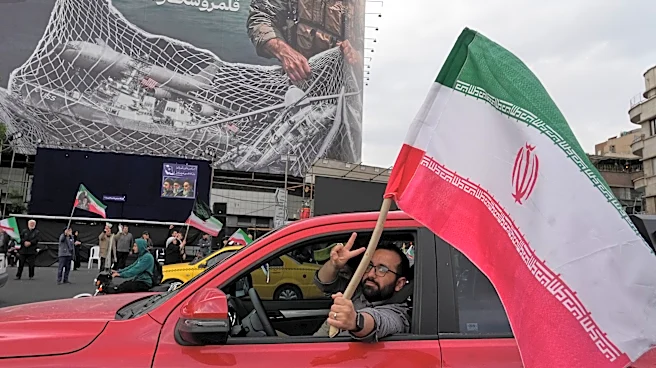
Iran's Revolutionary Guard has threatened to disrupt shipping in the Red Sea unless the United States lifts its blockade around the Strait of Hormuz. This announcement comes as mediators work to extend a fragile ceasefire between the U.S. and Iran. The
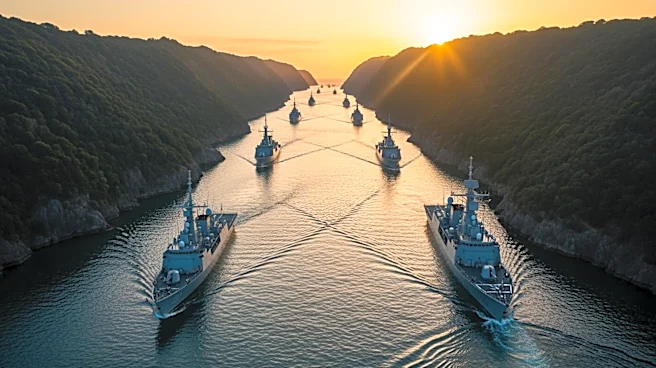
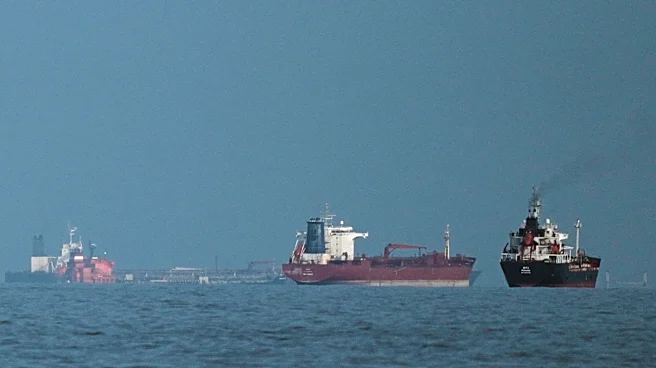
blockade, imposed by the U.S. earlier this week, aims to prevent maritime traffic from entering or leaving Iran through the Gulf and Gulf of Oman. Iran's threat could involve reactivating regional allies, such as Yemen's Houthi rebels, to attack maritime traffic, potentially impacting global commodity markets. The situation is part of ongoing tensions related to Iran's nuclear program and regional influence.
Why It's Important?
The potential disruption of shipping in the Red Sea could have significant implications for global trade, particularly in the oil and gas sectors. The Strait of Hormuz is a critical chokepoint for global oil shipments, and any escalation could lead to increased insurance costs and rerouting of vessels, affecting global supply chains. The threat also underscores the fragile nature of the current ceasefire and the broader geopolitical tensions in the region. The involvement of regional powers like Turkey and the UAE in mediation efforts highlights the international dimension of the conflict and the potential for broader diplomatic engagement.
What's Next?
As the ceasefire's expiration approaches, further diplomatic efforts are expected to extend the truce and address key disputes between the U.S. and Iran. These include Iran's nuclear program and demands for compensation for war damages. The U.S. may continue to enforce the blockade, while Iran could escalate its threats if negotiations stall. Regional actors, including Turkey and the UAE, are likely to play crucial roles in mediating the conflict. The outcome of these efforts will significantly impact regional stability and international relations.