








What's Happening?
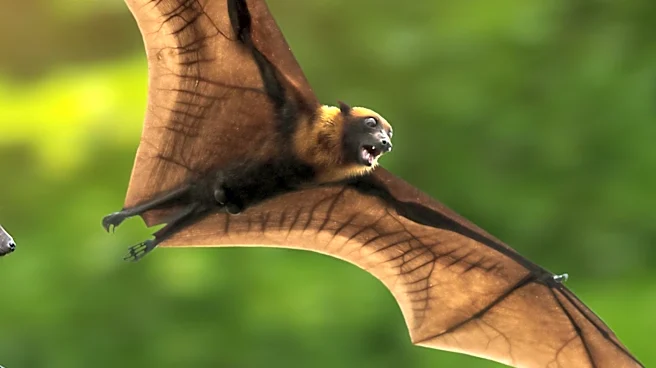
The 12th annual Great Wisconsin Bat Count, conducted by the Wisconsin Department of Natural Resources (DNR) with over 150 scientists and volunteers, tallied more than 20,000 bats across 120 roosts in June and July. While the count showed some signs of recovery
for certain species, four of Wisconsin's eight bat species remain threatened. The numbers for both big brown bats and little brown bats were down compared to the previous year, with approximately 3,000 fewer little brown bats and 750 fewer big brown bats. Wildlife specialists David Drake and Jamie Nack from the University of Wisconsin-Madison attributed these lower numbers to factors such as unfavorable weather conditions during the count and cold spring temperatures that may have limited food supply for pregnant bats. The count is crucial for monitoring the effects of white-nose syndrome, a fatal disease that arrived in Wisconsin in 2014 and has decimated cave bat species.
Why It's Important?
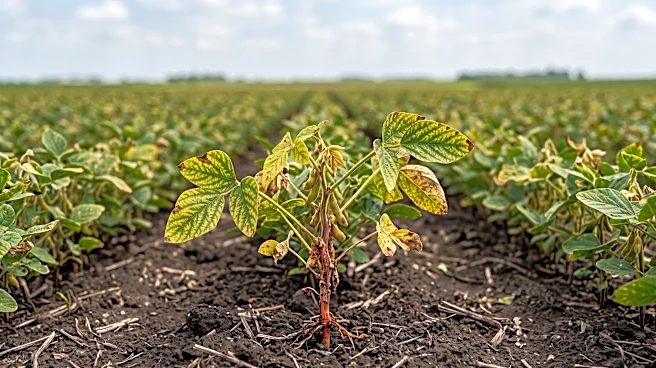
The status of Wisconsin's bat population is critical for the state's ecosystem and economy. Bats play a vital role in insect control, pollination, and seed dispersal, providing natural pest control that saves farmers an estimated $1 billion annually worldwide. The continued threat to bat species, particularly from white-nose syndrome, could lead to significant ecological imbalances and increased reliance on chemical pesticides for agriculture. The decline in bat numbers, even with some recovery, signals ongoing environmental challenges that affect biodiversity and agricultural productivity. This situation underscores the importance of conservation efforts and public awareness, especially during events like International Bat Week, to protect these essential flying mammals and the services they provide.
What's Next?
Conservation efforts in Wisconsin will continue to focus on monitoring bat populations and mitigating the impact of white-nose syndrome. The DNR advises individuals interested in attracting bats to their yards to build or set up bat houses, with guidelines available from Bat Conservation International and the Wisconsin DNR. For homeowners with bats roosting in their property, the DNR recommends exclusion methods—removing bats without harming them—outside the protected period of June 1 to August 15, when flightless young are present. This period is crucial for cave bat species, which are protected in the state. Further research into white-nose syndrome and its effects, along with ongoing public engagement, will be essential to support the long-term recovery of Wisconsin's threatened bat species.
Beyond the Headlines
The plight of Wisconsin's bats, particularly in the face of white-nose syndrome, highlights the broader issue of wildlife disease and its profound impact on ecosystems. The disease, caused by an invasive fungus, demonstrates how a single pathogen can decimate entire populations, leading to cascading effects throughout the food web. This situation also brings to light the interconnectedness of human activities and environmental health; for instance, the potential increase in mosquito populations due to fewer bats could have public health implications. The ongoing efforts to protect bats reflect a growing understanding of their ecological value and the economic benefits they provide, moving beyond historical misconceptions. It also underscores the importance of citizen science and volunteer involvement in large-scale conservation initiatives, demonstrating how community participation can contribute significantly to scientific data collection and environmental stewardship.