

What's Happening?
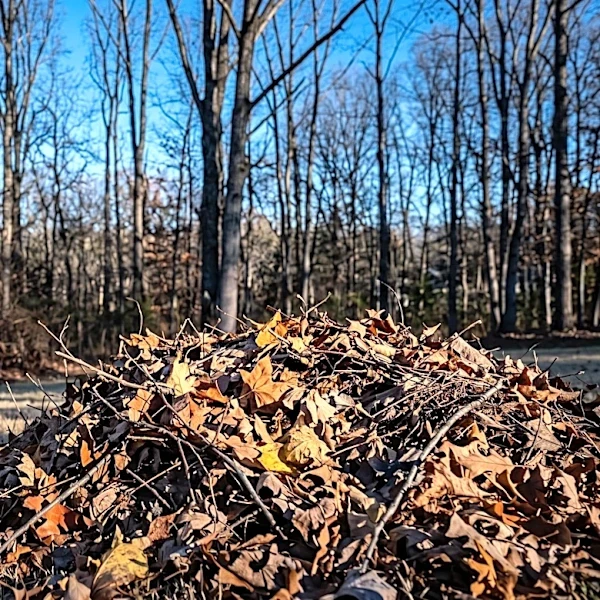
The Fargo area is experiencing less vibrant fall colors this year due to the summer's extreme heat and drought conditions. Don Kinzler, the Horticulture Agent for NDSU Extension, explained that trees, despite not being able to read a calendar, respond
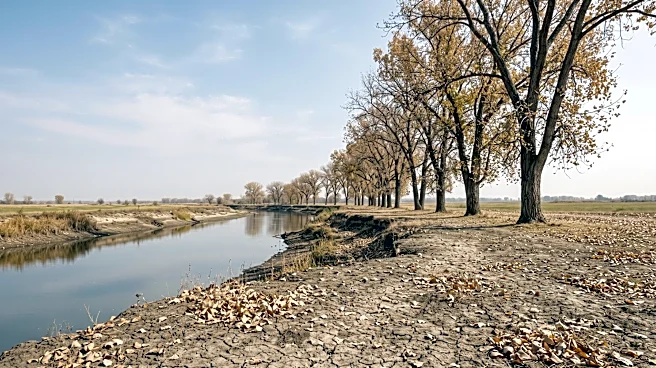
to environmental cues like shorter days to prepare for winter. This process involves breaking down chlorophyll, which allows yellow pigments to become visible. However, the prolonged period of slow growth caused by the weather extremes has hindered the trees' ability to form the pigments necessary for vibrant fall colors. While recent rain and cooler temperatures have provided some relief, the overall intensity of the fall foliage is expected to be diminished. Kinzler also warned that the fall color show might be abbreviated this year, and repeated hard frosts could cause leaves to drop prematurely.
Why It's Important?
The diminished vibrancy of fall colors in the Fargo area is important because it serves as a visible indicator of the ecological impact of climate extremes, specifically drought and heat. This phenomenon affects local tourism, as fall foliage is a significant draw for visitors and contributes to local economies through related activities like scenic drives and outdoor recreation. For residents, it represents a loss of a cherished seasonal aesthetic. More broadly, it highlights the stress placed on local ecosystems by changing weather patterns, which can have long-term consequences for tree health and biodiversity. The explanation provided by NDSU Extension underscores the scientific understanding of how environmental factors directly influence natural processes, making it a tangible example of climate-related effects on local environments.
What's Next?
Residents and visitors in the Fargo area are advised to enjoy the fall colors soon, as the season is expected to be abbreviated and potentially cut short by early frosts. Don Kinzler suggests that the peak of fall color, typically around mid-October, might be accelerated this year. Looking ahead, the vibrancy of next year's fall colors will largely depend on the growing season conditions in the coming year, particularly the amount of rainfall and temperature patterns. This situation may prompt local environmental agencies and horticultural experts to continue monitoring the long-term effects of climate change on local flora and potentially advise on resilient planting strategies for future urban and natural landscapes. The current conditions serve as a reminder of the immediate and visible impacts of weather extremes on natural phenomena.
Beyond the Headlines
The less vibrant fall foliage in Fargo due to drought and heat extends beyond a mere aesthetic disappointment; it's a clear signal of ecological stress and the broader implications of climate change on natural cycles. This event can trigger discussions about the resilience of local ecosystems and the need for sustainable environmental practices. It highlights how seemingly minor shifts in weather patterns can have cascading effects on plant physiology, impacting everything from photosynthesis to pigment production. The phenomenon also offers an educational opportunity to engage the public on climate science and the interconnectedness of environmental factors. Culturally, the annual display of fall colors holds significance, and its alteration can subtly influence local traditions and perceptions of the changing seasons, prompting a deeper reflection on humanity's relationship with the natural world and the urgency of addressing climate-related challenges.