



What's Happening?
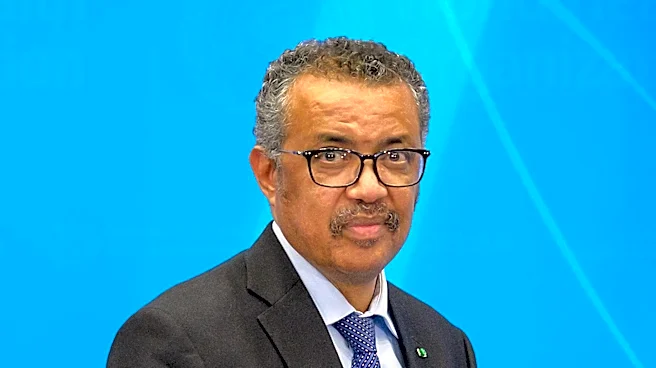
The World Health Organization (WHO) Director-General addressed the third IHR Emergency Committee meeting on the Bundibugyo virus disease epidemic in the Democratic Republic of Congo (DRC). Six months after the outbreak was declared, cases have more than
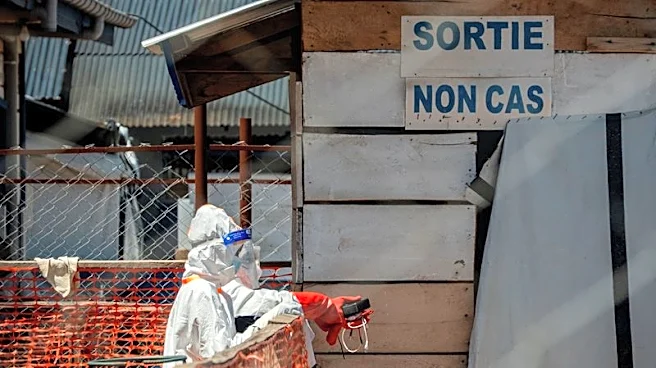
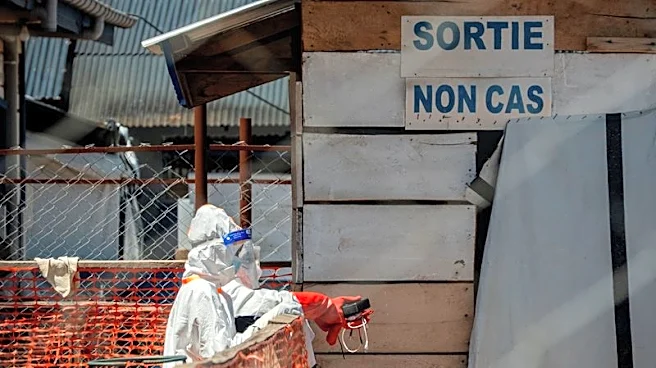
doubled, with over 11,000 cases and 5,400 deaths reported across 67 health zones in eight provinces. Children are disproportionately affected, accounting for over a quarter of cases and a third of deaths, with seven in ten children under five with confirmed cases succumbing to the virus. While rapid transmission has been halted in some early epicenters, the outbreak continues to expand in other areas, with 400 to 500 new cases reported weekly. Insecurity has become a major obstacle, with recent attacks on health workers and facilities disrupting response efforts and leading to loss of contact follow-up. Two-thirds of confirmed deaths still occur outside Ebola treatment centers, indicating late identification of infections.
Why It's Important?
The Bundibugyo virus outbreak in the DRC poses a severe public health crisis, with its rapid expansion and high mortality rate, particularly among children. The continued spread, despite some localized progress, highlights the challenges of controlling infectious diseases in complex environments. The high number of deaths occurring outside treatment centers indicates critical gaps in early detection and access to care, which are fundamental to containing outbreaks. The escalating insecurity, including attacks on healthcare personnel and infrastructure, severely hampers humanitarian access and response operations, allowing the virus to spread more freely. This situation not only endangers the lives of those directly affected but also threatens regional stability, as evidenced by imported cases in Kenya and Nigeria, underscoring the need for robust international cooperation and preparedness.
What's Next?
The WHO and its partners will continue to focus on strengthening the response to the Bundibugyo virus outbreak in the DRC. Key priorities include improving early case identification and contact tracing, ensuring timely access to treatment centers, and enhancing community engagement to build trust. Efforts to address insecurity and protect health workers and facilities will be crucial to enable effective response operations. Research into therapeutics and vaccines is progressing, with clinical trials underway for both existing Ebola vaccines and candidate vaccines specifically for Bundibugyo virus. However, these are not a substitute for immediate life-saving measures such as early care, isolation, and safe burials. The international community will need to maintain vigilance and support to prevent further regional spread and to ensure essential health services are not compromised by the outbreak response.
Beyond the Headlines
The Bundibugyo virus outbreak in the DRC exposes deeper systemic issues beyond the immediate health crisis. The persistent insecurity and violence against health workers underscore the complex interplay between public health emergencies and geopolitical instability. This environment not only impedes disease control but also erodes trust in health systems and humanitarian efforts, creating a vicious cycle. The disproportionate impact on children highlights vulnerabilities within the population and the need for targeted interventions. Furthermore, the challenges in controlling this outbreak, despite advancements in diagnostics and potential vaccines, emphasize that technological solutions alone are insufficient without robust community engagement, security, and equitable access to care. This situation serves as a critical reminder of the ethical imperative to protect healthcare in conflict zones and to address the root causes of insecurity that undermine global health security.