







What's Happening?
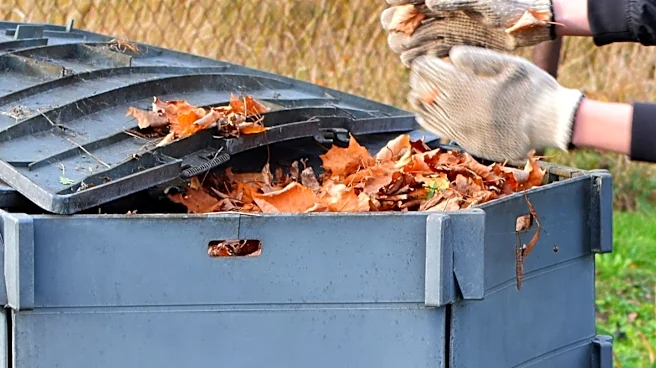
The City of Lubbock is actively recommending composting as a viable alternative to traditional household trash disposal. This initiative encourages residents to divert food scraps and other organic waste from landfills, transforming them into nutrient-rich
fertilizer for lawns and gardens. The city highlights various composting methods, including simple bins, piles, tumblers for aeration, and vermicomposting, which utilizes worms to break down organic matter. According to the City of Lubbock website, composting is presented as an easy and beneficial practice for residents. The city also references insights from Take Care of Texas for a comprehensive guide on composting basics. Acceptable items for composting include fruits, vegetables, eggshells, coffee grounds, nuts, and grass clippings, while items like meat, oil, dairy products, bones, pet feces, weeds, metals, plastics, and glass are advised against due to potential odors, disease spread, or slow decomposition.
Why It's Important?
This push by the City of Lubbock is significant for several reasons. Environmentally, it aims to reduce the volume of waste sent to landfills, which in turn can decrease methane emissions, a potent greenhouse gas produced by decomposing organic matter. Economically, it offers residents a way to create their own fertilizer, potentially reducing the need to purchase commercial products for gardening and landscaping. Furthermore, by promoting composting, the city is fostering a more sustainable approach to waste management within the community, encouraging residents to adopt practices that benefit both their personal green spaces and the broader environment. The educational aspect, supported by resources like Take Care of Texas, empowers citizens with practical knowledge to implement these sustainable practices effectively.
What's Next?
The City of Lubbock will likely continue to promote composting through public awareness campaigns, educational resources, and potentially workshops or community events. As more residents adopt composting, there could be a noticeable reduction in household waste volumes and an increase in local soil health. Future initiatives might include partnerships with local organizations to facilitate composting efforts or expand access to composting resources. The ongoing emphasis on proper composting techniques, including what materials to include and exclude, will be crucial to ensure the success and effectiveness of these programs, preventing issues like pest attraction or the spread of diseases from improper composting.
Beyond the Headlines
Beyond the immediate benefits of waste reduction and soil enrichment, the City of Lubbock's composting initiative reflects a broader societal shift towards greater environmental responsibility and resource circularity. By encouraging residents to view food scraps not as waste but as valuable resources, the program helps to cultivate a more mindful consumption culture. This local effort contributes to national sustainability goals by demonstrating how individual actions, when aggregated, can have a substantial positive impact on environmental health. It also highlights the role of municipal governments in guiding and supporting their communities towards more sustainable living practices, fostering a sense of collective stewardship for the environment.