
What's Happening?
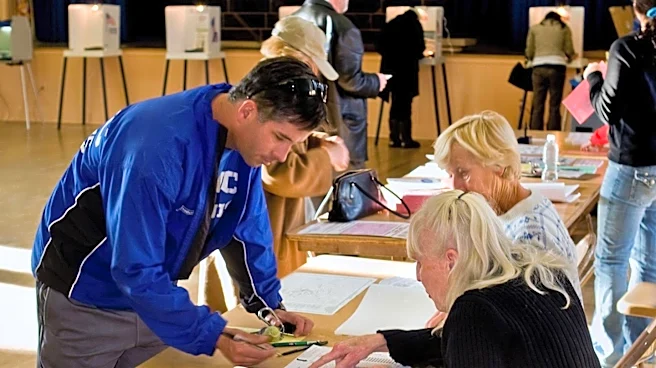
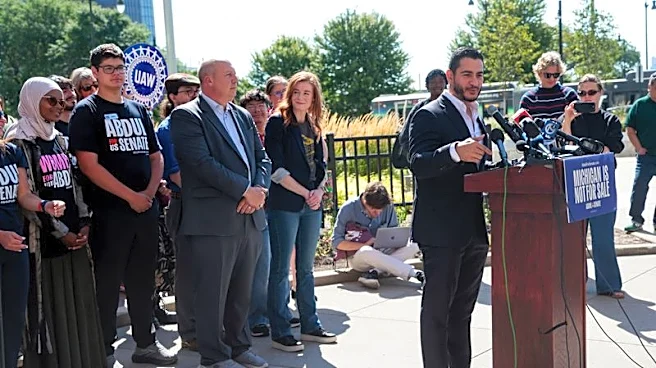
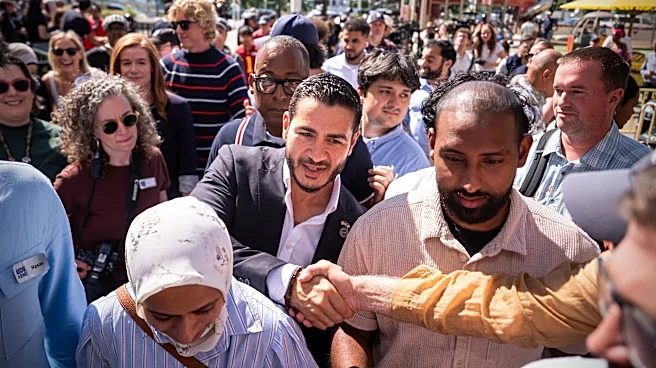
In the Michigan Democratic primary, progressive candidates, including Abdul El-Sayed, achieved significant victories over their centrist opponents. Despite facing substantial financial opposition, El-Sayed and others
overcame dark-money-funded attack ads to secure their nominations. The primary results have prompted questions about whether the Democratic establishment will support these progressive nominees in the general election. Key party figures, such as Representative Haley Stevens and Governor Gretchen Whitmer, have endorsed El-Sayed, signaling a potential shift in party dynamics.
Why It's Important?
The success of progressive candidates in Michigan highlights a growing shift within the Democratic Party, challenging the traditional centrist establishment. This development could influence the party's strategy and policy priorities, particularly as it seeks to regain control of the Senate. The endorsements from prominent party leaders suggest a willingness to unite behind the nominees, but the reluctance of some centrists to fully support progressive candidates underscores ongoing tensions within the party. The outcome of these races may impact the Democratic Party's ability to present a unified front in upcoming elections.
What's Next?
As the general election approaches, the Democratic Party faces the challenge of reconciling internal divisions and rallying support for its nominees. The response of centrist figures to the progressive victories will be crucial in determining the party's cohesion and electoral prospects. Continued endorsements and support from party leaders could strengthen the progressive candidates' campaigns, while resistance from some centrists may hinder efforts to unify the party. The evolving dynamics within the Democratic Party will be closely watched as the election season progresses.