




What's Happening?
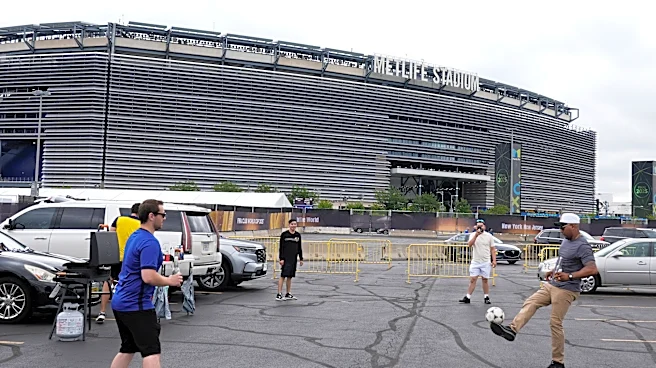
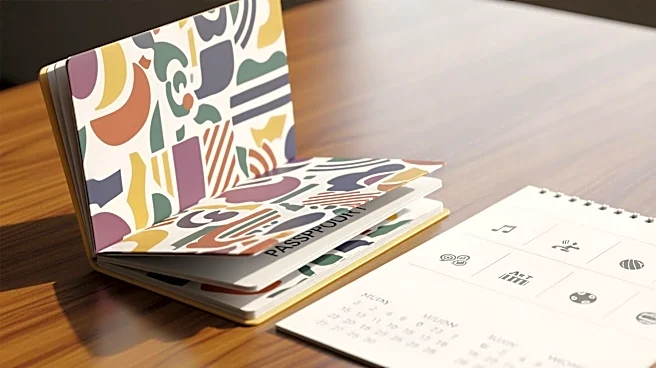
The New York City Council has introduced legislation aimed at supporting local businesses during the upcoming 2026 World Cup, which will feature eight matches at MetLife Stadium in New Jersey. The proposed bills include the creation of a 'cultural passport
program' to encourage visitors to explore local businesses and cultural institutions across the city's five boroughs. Additionally, a calendar of events will be developed to help visitors find festivals, parties, and cultural activities related to the World Cup. The initiative is expected to generate significant economic impact, with estimates of $3.3 billion according to the New York/New Jersey Host Committee. However, City Hall has restricted permits for large public events during the World Cup and the 250th Anniversary of America on July 4, citing security concerns.
Why It's Important?
The proposed legislation is significant as it aims to maximize the economic benefits of the World Cup for New York City. By encouraging visitors to engage with local businesses and cultural institutions, the city hopes to distribute the economic impact more equitably across all boroughs. The initiative could provide a boost to local economies, particularly small businesses and cultural institutions that may otherwise be overlooked during such large-scale events. However, the restrictions on event permits could pose challenges for local business improvement districts (BIDs) and cultural institutions, potentially limiting their ability to capitalize on the influx of visitors.
What's Next?
The city has allocated $90 million for World Cup preparations, but specifics surrounding neighborhood events remain uncertain. The Economic Development Corporation received $15 million for public events, yet local stakeholders have reported a lack of coordination and information regarding programming. As the World Cup approaches, the city will need to address these concerns to ensure that local businesses and cultural institutions can fully benefit from the event. Additionally, the city plans to expand access to public bathrooms and co-name thoroughfares in honor of soccer icons, further integrating the World Cup into the city's cultural landscape.
Beyond the Headlines
The introduction of the cultural passport program highlights the city's efforts to leverage major international events to benefit local communities. This approach reflects a broader trend of cities seeking to balance the economic opportunities presented by such events with the needs and interests of local residents. The initiative also underscores the importance of cultural diplomacy and the role of sports in fostering international connections and understanding. As New York City prepares for the World Cup, the success of these efforts could serve as a model for other cities hosting large-scale events in the future.