
What's Happening?
In a significant legislative move, the U.S. House of Representatives passed a bill to extend healthcare subsidies for those covered under the Affordable Care Act (ACA). The vote, which ended 230-196, saw
a coalition of Democrats and a few Republican lawmakers defy GOP leadership to push the measure forward. This bill aims to extend the subsidies that expired after the COVID-19 crisis, which had initially enhanced tax credits to make healthcare more affordable. The Congressional Budget Office estimates that this extension will increase the national deficit by approximately $80.6 billion over the next decade, while also increasing the number of insured individuals by millions over the coming years. The bill now moves to the Senate, where bipartisan negotiations are ongoing to reach a compromise that could pass both chambers.
Why It's Important?
The passage of this bill highlights a critical moment in U.S. healthcare policy, as it underscores the ongoing debate over the ACA and the federal government's role in subsidizing healthcare. The decision to extend these subsidies could significantly impact millions of Americans who rely on ACA marketplace plans for their health insurance. It also reflects a growing divide within the Republican Party, as some members break ranks to support measures they believe are necessary for their constituents. This development could influence upcoming elections, as healthcare remains a pivotal issue for voters. Additionally, the financial implications of the bill, with its projected increase in the national deficit, could spark further debate on fiscal responsibility and healthcare funding.
What's Next?
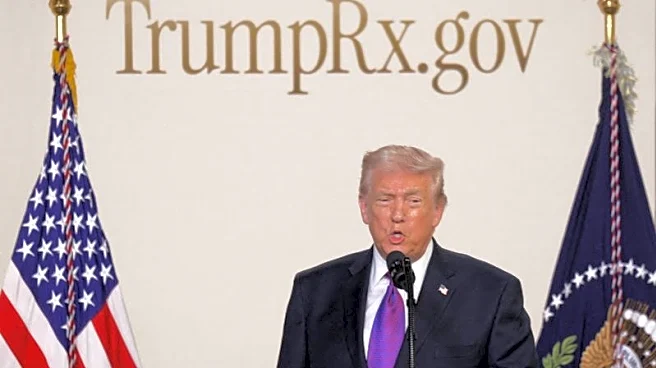
The bill's future now lies in the Senate, where a group of bipartisan senators is working on an alternative plan that could garner broader support. Senate Majority Leader John Thune has indicated that any successful proposal will need to include income limits and possibly expand health savings accounts to ensure aid is targeted to those most in need. The outcome of these negotiations will be crucial, as it could determine the extent and nature of healthcare subsidies moving forward. Meanwhile, political leaders, including President Trump, are urging Republicans to take a more active role in shaping healthcare policy, which could lead to further legislative initiatives or reforms.