






What's Happening?
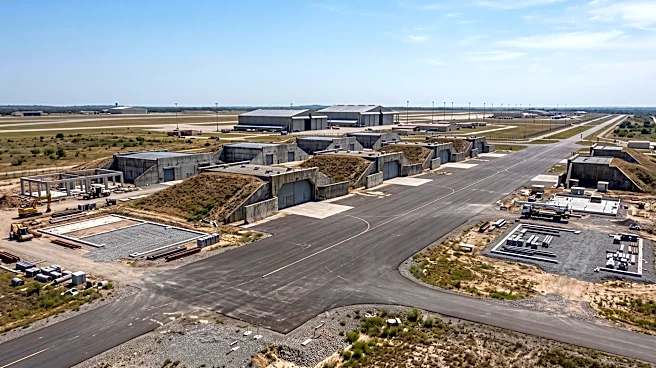
Russian occupiers are actively constructing new garages, reinforced shelters, and assembly areas for Geran strike drones at the Hvardiiske airbase in temporarily occupied Crimea. Satellite imagery, published by the Strategic Aviation monitoring resource,
reveals the commencement of construction for at least 82 garages of various types since the beginning of autumn, with ten of these reinforced with earthen berms. Rows of garages are visible along the airbase's internal roads, alongside unfinished buildings and prepared construction sites. Additional drone storage areas are being established in the central part of the airfield, with plans for six to eight more garages at two sites. A fabric structure for drone assembly is also located near a large hangar. Jet-powered variants of the Geran drones are launched from modified pickup trucks at this airfield. This expansion follows Ukrainian strikes on UAV storage sites at Hvardiiske on July 18 and August 7, which damaged hangars, destroyed a POL depot, and hit the runway.
Why It's Important?
This development highlights Russia's strategic adaptation to Ukrainian military actions, specifically in protecting its drone assets. The construction of reinforced shelters indicates a recognition of the vulnerability of these assets to strikes and an effort to enhance their survivability. For the U.S. and its allies, this demonstrates the evolving nature of military infrastructure in response to modern warfare tactics, particularly the use of precision strikes against high-value targets like drone hubs. It also underscores the importance of intelligence gathering, such as satellite imagery, in monitoring adversary activities and assessing their defensive measures. The investment in protecting drone infrastructure suggests the continued and critical role of UAVs in Russia's military strategy, which has implications for how the U.S. and its partners might counter these capabilities in future conflicts or support allies facing similar threats.
What's Next?
The ongoing construction at Hvardiiske airbase suggests that Russia intends to continue and potentially escalate its drone operations from this location. Ukraine will likely continue to target such strategic assets, necessitating further improvements in its long-range strike capabilities and intelligence gathering. The development of more resilient drone infrastructure by Russia could lead to a cat-and-mouse game, where each side adapts to the other's advancements. This could also prompt the U.S. and its allies to provide Ukraine with more advanced precision strike weapons or intelligence support to counter these hardened targets effectively. The expansion of drone hubs in other occupied territories, as noted near Millerovo, indicates a broader strategy by Russia to decentralize and protect its drone operations.
Beyond the Headlines
The construction of reinforced drone shelters reflects a broader trend in modern military engineering, where infrastructure is designed to withstand increasingly sophisticated attacks. This shift has implications for defense spending and military planning globally, as nations consider how to protect critical assets in an era of pervasive drone and missile threats. The use of satellite imagery for monitoring these developments also highlights the growing importance of space-based intelligence in contemporary conflicts. Furthermore, the continuous adaptation by both sides in this conflict—Russia building shelters and Ukraine conducting strikes—showcases the rapid innovation cycle in military technology and tactics, which will undoubtedly influence future defense strategies and the development of new weapon systems and countermeasures worldwide.