


What's Happening?
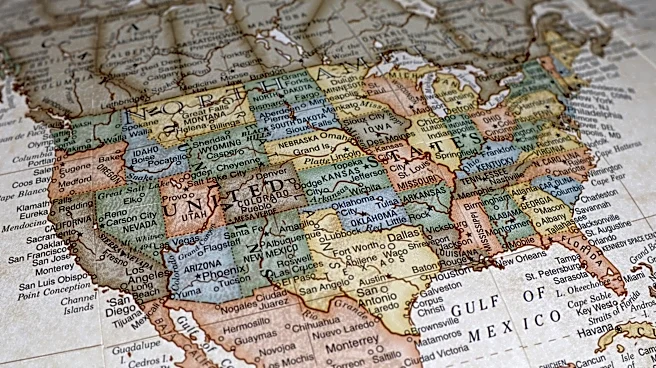
An intense heat dome is currently affecting the Western United States, placing approximately 55 million people under heat alerts. The National Weather Service has issued warnings for regions including California, Nevada, and Arizona, with temperatures
expected to reach as high as 118 degrees in Phoenix and 115 in Las Vegas. The heat dome is also impacting areas as far north as Montana, Nebraska, Colorado, and Wyoming. This weather phenomenon is exacerbated by human-caused climate change, which is making such heat waves more frequent and severe. The extreme heat poses significant public health risks, particularly for those without access to cooling, as nighttime temperatures remain high, preventing adequate rest and recovery.
Why It's Important?
The ongoing heat wave underscores the growing impact of climate change on weather patterns, with heat domes becoming more common and intense. This situation highlights the urgent need for infrastructure and public health systems to adapt to these changes. The extreme temperatures are expected to increase demand on health services, as more individuals may require emergency care for heat-related illnesses. Additionally, the heat wave poses a threat to vulnerable populations, including the elderly and those without air conditioning, emphasizing the need for community support and resources such as cooling centers.
What's Next?
As the heat wave continues, authorities are likely to maintain and possibly expand heat alerts and cooling center operations. Public health officials may issue further advisories to mitigate the impact on vulnerable populations. The situation also calls for long-term strategies to address climate change and improve urban planning to better handle extreme weather events. Researchers will continue to study the effects of climate change on heat waves to inform future policy and preparedness efforts.