






What's Happening?
President Donald Trump recently addressed reports regarding his communication with Federal Reserve Chairman Kevin Warsh. Trump confirmed that he spoke with Warsh 'one time, briefly, a few days ago,' countering earlier claims that they had been in frequent
contact since Warsh assumed his role in May. This interaction comes amidst ongoing discussions about interest rate policies, with Trump advocating for lower rates. Despite Trump's pressure, Warsh maintains that he will independently decide on interest rate directions. Historically, direct interactions between the president and the Fed chairman have been rare, highlighting the significance of this recent communication. Additionally, Trump has been exerting pressure on the Federal Reserve, including efforts to remove Governor Lisa Cook from her position on the Fed's Board.
Why It's Important?
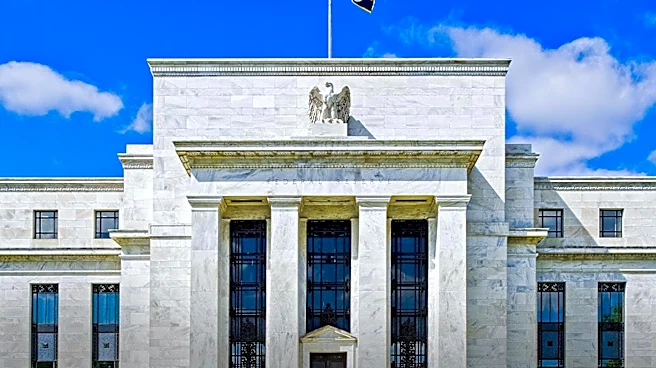
The relationship between the President and the Federal Reserve is crucial as it can influence monetary policy and economic stability. Trump's involvement in interest rate discussions raises concerns about the Fed's independence, a principle established to prevent political interference in economic decisions. The historical context of President Richard Nixon's close relationship with Fed Chairman Arthur Burns, which led to inflation issues, underscores the potential risks of such interactions. The current situation could impact market expectations and the Fed's credibility. Stakeholders, including investors and policymakers, are closely monitoring these developments, as they could affect economic forecasts and financial markets.
What's Next?
Moving forward, the Federal Reserve's decisions on interest rates will be closely scrutinized, especially in light of Trump's public statements. Warsh's approach to maintaining the Fed's independence while addressing inflation will be pivotal. The potential removal of Governor Lisa Cook could also lead to shifts within the Fed's Board, affecting future policy decisions. Market participants and political leaders will likely react to any changes in the Fed's stance, influencing economic strategies and public confidence in the institution.