







What's Happening?
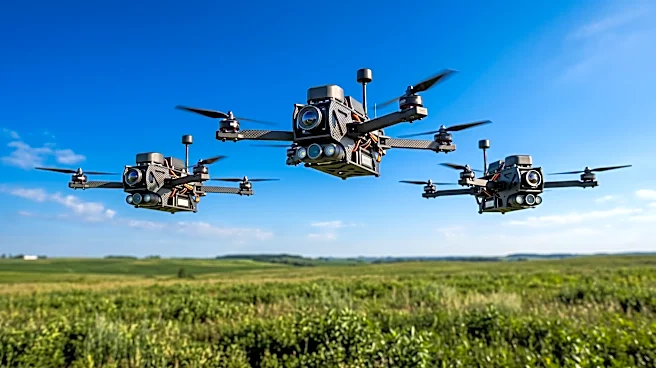
Emerging technologies, including Artificial Intelligence (AI), low Earth orbit constellations, and unmanned systems, are rapidly advancing and demonstrating broad applications. These technologies offer significant potential to enhance maritime security,
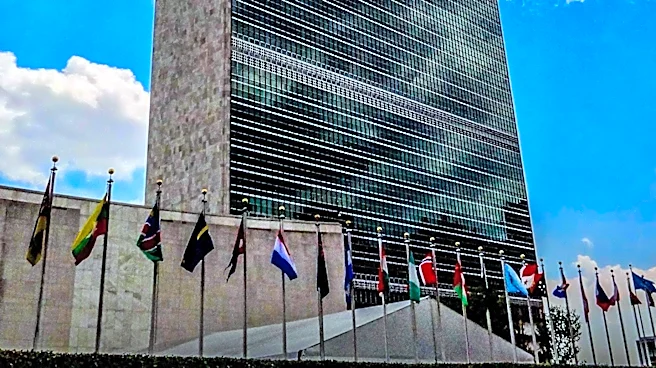
improve situational awareness, and safeguard critical shipping routes. However, their misuse or abuse, coupled with a growing governance deficit, introduces new risks and challenges to maritime security. These risks include facilitating illegal activities such as fishing, trafficking, and piracy. The international community is urged to strengthen solidarity and cooperation, balancing development with security to ensure these technologies serve maritime security and human well-being. This involves upholding technology for good, promoting peaceful use, and strengthening technical risk assessment and regulatory frameworks to prevent misuse by terrorist forces and criminal groups, as highlighted by Ambassador Fu Cong at the UN Security Council.
Why It's Important?
The dual nature of emerging technologies presents a critical juncture for global maritime security. While these advancements can significantly bolster surveillance, early warning systems, and law enforcement capabilities at sea, their potential for malicious application poses substantial threats. The proliferation of AI and unmanned systems could empower non-state actors or rogue elements to conduct sophisticated illegal operations, disrupting global trade, increasing piracy, and exacerbating humanitarian crises through trafficking. The call for international cooperation and robust governance frameworks is crucial to prevent a 'wild west' scenario in maritime domains. Without coordinated efforts, the benefits of these technologies could be overshadowed by their capacity to destabilize international waters and undermine global supply chain stability, impacting economies and national security worldwide.
What's Next?
The international community is expected to engage in further dialogue and consultation to address the complex challenges posed by emerging technologies in maritime security. Key actions include strengthening technical risk assessment and regulatory frameworks to prevent misuse, guarding against cyberattacks, data breaches, and loss of control over autonomous systems. There will be an emphasis on increasing financial, technological, and capacity-building support for developing countries to ensure equitable access and bridge the digital-intelligence divide. Multilateral institutions like the International Maritime Organization (IMO) are anticipated to play a coordinating role in information sharing and standards alignment. Additionally, there will be continued efforts to uphold the international rule of law, particularly the UN Convention on the Law of the Sea (UNCLOS), to improve global governance in emerging technologies and ocean management.
Beyond the Headlines
The rapid evolution of emerging technologies in the maritime sector raises profound ethical and legal questions. The increasing autonomy of unmanned systems, for instance, necessitates clear guidelines on accountability in cases of malfunction or misuse. The potential for 'super intelligence' and remotely operated autonomous systems could blur the lines of human control and decision-making in critical security operations, leading to unforeseen consequences. Furthermore, the 'digital-intelligence divide' could create new geopolitical fault lines, where nations with advanced technological capabilities gain significant strategic advantages, potentially leading to an imbalance of power and increased vulnerability for less technologically advanced states. The challenge lies not only in harnessing these technologies for good but also in establishing a universally accepted ethical framework and robust international legal instruments to govern their development and deployment, ensuring they do not become tools for oppression or conflict.