
What's Happening?
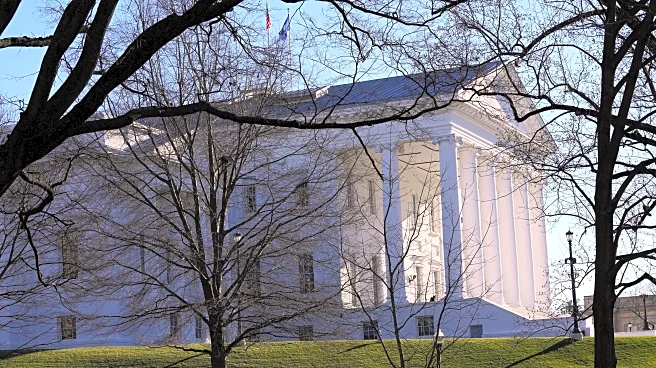
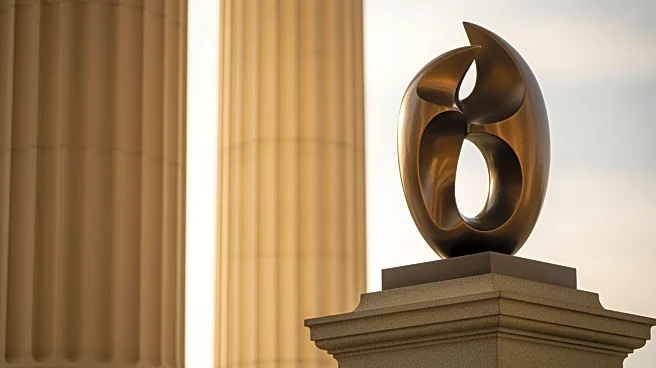
A statue of Barbara Rose Johns, a Black teenager who led a significant protest against segregation in 1951, has been installed at the U.S. Capitol, replacing the statue of Confederate General Robert E.
Lee. Johns was instrumental in the fight against segregation, leading a walkout at her high school in Farmville, Virginia, which contributed to the landmark Supreme Court case Brown v. Board of Education. This case was pivotal in the movement to end segregation in U.S. schools. The statue of Johns, who passed away in 1991, is now displayed in Emancipation Hall, symbolizing a shift in the narrative of American history towards recognizing the contributions of civil rights activists.
Why It's Important?
The replacement of Robert E. Lee's statue with that of Barbara Rose Johns signifies a broader cultural and political shift in the United States towards acknowledging and honoring the contributions of civil rights leaders. This change reflects ongoing national discussions about race, history, and representation, particularly in the wake of recent racial justice movements. The installation of Johns' statue at the Capitol serves as a powerful symbol of progress and a reminder of the ongoing struggle for racial equality. It highlights the importance of revisiting historical narratives and ensuring that public spaces reflect a more inclusive and accurate portrayal of American history.
What's Next?
The unveiling of Barbara Rose Johns' statue is expected to spark further discussions about representation and the legacy of the civil rights movement in the United States. It may encourage other states and institutions to reevaluate the figures they choose to honor in public spaces. Additionally, this event could influence educational policies and initiatives aimed at addressing racial inequalities in schools. As the nation continues to grapple with issues of race and equality, the presence of Johns' statue at the Capitol may inspire future generations to continue advocating for social justice and reform.
Beyond the Headlines
The installation of Barbara Rose Johns' statue at the U.S. Capitol not only serves as a symbol of progress but also raises questions about the current state of racial equality in education. Despite the historic ruling in Brown v. Board of Education, many schools in the U.S. remain segregated, with significant disparities in resources and opportunities. This ongoing issue underscores the need for continued advocacy and policy changes to fulfill the promise of desegregation. The statue also highlights the role of symbolism in shaping public consciousness and the importance of recognizing diverse contributions to American history.