


What's Happening?
Georgia House Republicans have introduced House Bill 1116, which aims to cap property tax increases at the greater of 3% or the rate of inflation. This proposal comes as a response to rapidly increasing housing prices. The bill, which passed the House with
a 98-68 vote, has been a subject of contention, with Democrats arguing that it could significantly reduce funding for essential city services, including public safety. The bill's sponsor, Rep. Shaw Blackmon, has been actively revising the bill to ensure it does not require a constitutional amendment. A related measure to place a constitutional amendment on the ballot was defeated in the House. The bill also allows local governments to use a penny sales tax to offset property taxes.
Why It's Important?
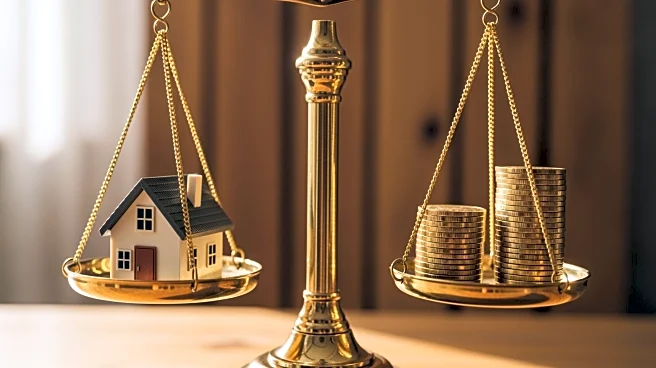
The proposed property tax cap is significant as it addresses the broader issue of housing affordability in Georgia. By limiting tax increases, the bill aims to provide relief to homeowners facing escalating property taxes. However, the potential reduction in funding for city services raises concerns about the impact on public safety and other essential services. This legislative move reflects a broader trend of states grappling with balancing tax relief and maintaining adequate funding for public services. The outcome of this bill could influence similar legislative efforts in other states facing housing affordability challenges.
What's Next?
The bill's future in the Georgia Senate remains uncertain, as it faces potential opposition similar to that in the House. If passed, local governments will need to adjust their budgets to accommodate the potential decrease in property tax revenue. Stakeholders, including city officials and public service departments, are likely to continue voicing their concerns. The debate over the bill may also prompt discussions on alternative solutions to address housing affordability without compromising essential services.