

What's Happening?
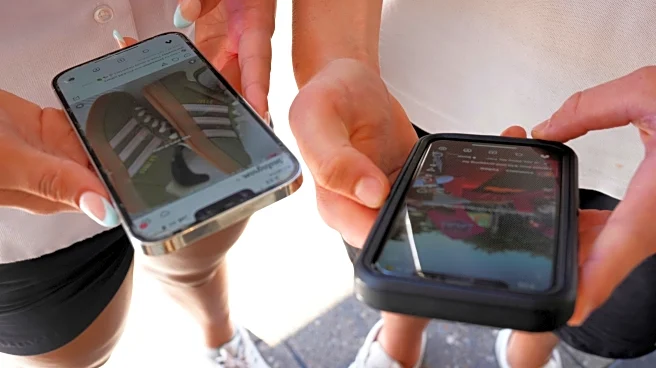
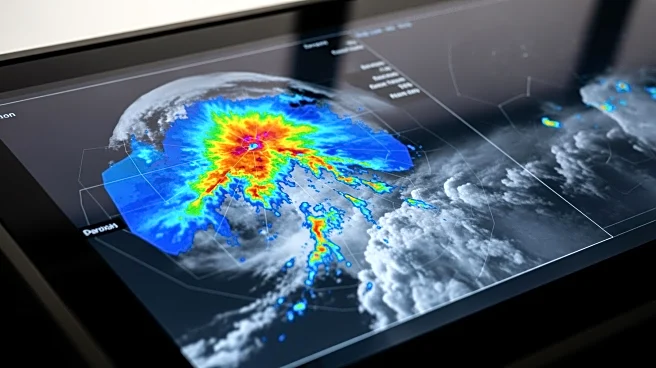
The spread of alarmist weather forecasts by self-styled meteorologists on social media platforms like Facebook and TikTok is causing concern among the scientific community. These forecasts, often lacking scientific backing, are sometimes picked up by news
websites, leading to public misinformation. According to experts, accurate weather predictions are limited to a few days, and early forecasts can distort scientific understanding. The issue is compounded by the lack of a clear professional framework for meteorologists in Greece, allowing individuals without formal training to present themselves as experts.
Why It's Important?
The dissemination of unverified weather forecasts poses a significant risk to public safety and trust in scientific communication. Misinformation can lead to unnecessary panic and undermine the credibility of professional meteorologists. This situation highlights the need for regulatory frameworks to ensure that weather information is communicated responsibly. It also underscores the importance of media literacy among the public to discern credible sources of information. The impact of such misinformation is not limited to Greece but is a global concern in the digital age.