






What's Happening?
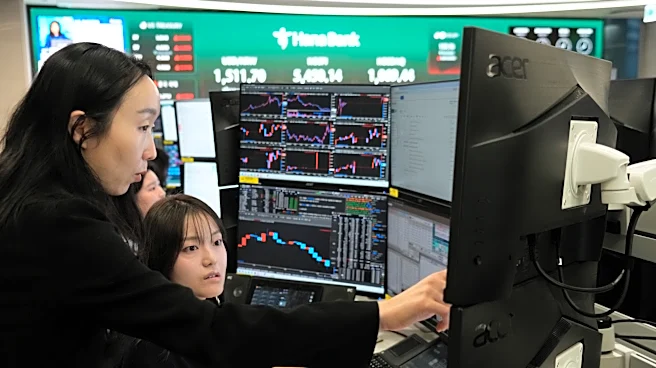
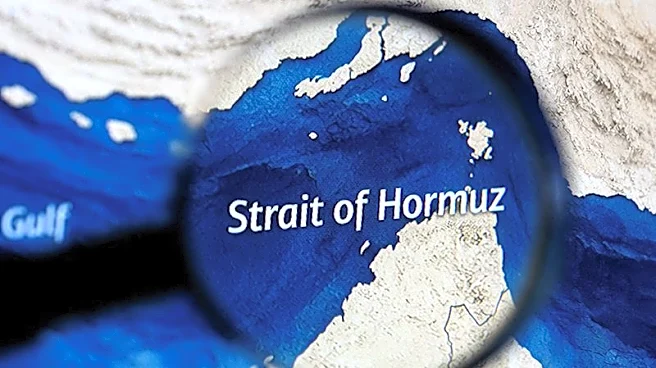
Asian shares experienced mixed trading as oil prices surged ahead of a deadline set by President Trump for Iran to reopen the Strait of Hormuz. The U.S. President has threatened military action against Iranian power plants and bridges if the strait is
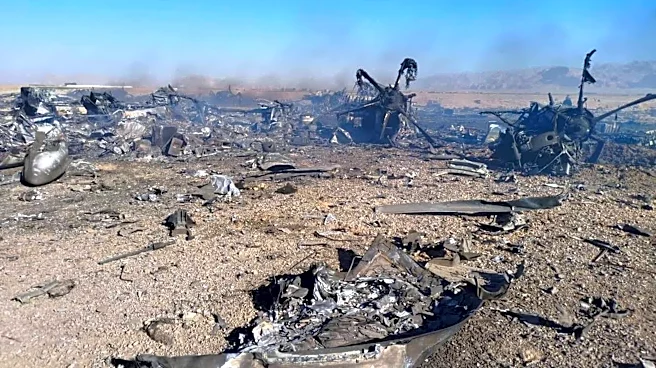
not opened to all shipping traffic. This geopolitical tension has led to fluctuations in global markets, with the S&P 500 and Dow Jones Industrial Average experiencing declines. The oil market has seen significant price increases, with U.S. crude reaching $116.83 per barrel. The ongoing conflict has disrupted oil production and transportation in the Persian Gulf, contributing to market instability.
Why It's Important?
The situation underscores the significant impact of geopolitical tensions on global markets, particularly in the energy sector. The Strait of Hormuz is a critical chokepoint for global oil supply, and its closure could lead to prolonged high oil prices, exacerbating inflationary pressures worldwide. This could have a ripple effect on various industries, increasing operational costs and affecting consumer prices. The uncertainty surrounding the conflict also affects investor confidence, leading to market volatility. Companies with high fuel costs, such as airlines and cruise lines, are particularly vulnerable to these price hikes.
What's Next?
The deadline set by President Trump could lead to several outcomes, including potential military action or diplomatic negotiations. The global markets are likely to remain volatile until a resolution is reached. Investors and businesses will be closely monitoring the situation, as any escalation could further disrupt oil supplies and impact global economic stability. The possibility of a ceasefire or diplomatic agreement could stabilize markets, but the uncertainty remains high.