






What's Happening?
Florida Governor Ron DeSantis commented on a tragic Learjet 60 crash that occurred in South Florida, stating that the plane descended so rapidly it 'looked like a missile going down.' The crash, which happened on a Sunday, resulted in the deaths of all
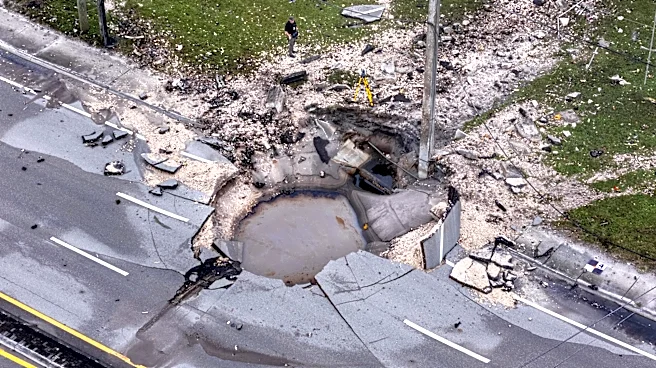
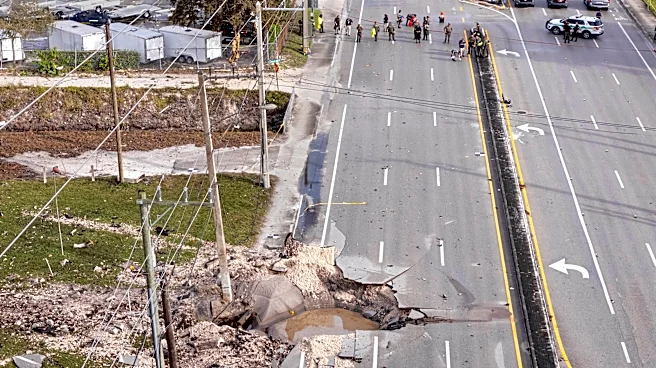
nine people on board, including 20-year-old co-pilot Nathalia Gadelha Filgueiras. The National Transportation Safety Board (NTSB) is currently investigating the cause of the accident, with weather conditions and the aircraft's integrity being key areas of focus. Audio recordings from the flight's final minutes reveal Filgueiras calmly reporting turbulence and icing before declaring an emergency as the plane plummeted. Investigators have recovered part of the plane's engine from the crater at the crash site and found pieces of the jet's left elevator miles away, indicating it broke off before impact. The NTSB's mission is to determine the cause and recommend changes to prevent future incidents.
Why It's Important?
The Learjet crash is a significant event due to the loss of life and the ongoing investigation into its cause. Governor DeSantis's description underscores the severity and suddenness of the incident, highlighting the inherent risks in aviation. The NTSB investigation is crucial for aviation safety, as its findings will inform potential changes in regulations, aircraft design, or operational procedures to prevent similar tragedies. The recovery of the left elevator miles from the main crash site suggests a catastrophic structural failure or an extreme aerodynamic event, which could have broad implications for the design and maintenance of similar aircraft. For the aviation industry, understanding the precise sequence of events and contributing factors is paramount to maintaining public trust and ensuring the safety of air travel. The emotional impact on the families of the victims, particularly the father of the co-pilot, also emphasizes the human cost of such accidents.
What's Next?
The NTSB investigation into the Learjet crash is ongoing, with investigators continuing to search the crater for wreckage and the cockpit voice recorder. The focus will be on analyzing all available data, including flight recorders, maintenance records, and weather information, to determine whether weather conditions, mechanical failure, or other factors contributed to the rapid descent. The findings of this investigation will be critical for the Federal Aviation Administration (FAA) and the aviation industry. Depending on the conclusions, there could be recommendations for changes in pilot training, weather avoidance protocols, aircraft inspection procedures, or even modifications to aircraft components. The legal implications for the aircraft manufacturer or maintenance providers could also arise once the cause is determined. The family of Nathalia Gadelha Filgueiras has indicated they will await the government's findings before considering any further action.
Beyond the Headlines
The tragic Learjet crash brings to light the complex interplay of human skill, technological reliability, and environmental factors in aviation. The co-pilot's final transmissions, calmly reporting issues before a desperate 'We're out of time,' highlight the immense pressures and rapid decision-making required in critical flight situations. The investigation into whether the elevator broke off due to the dive's forces or caused the dive itself points to fundamental questions about aircraft structural integrity under extreme conditions. This incident also underscores the dedication of individuals like Nathalia Gadelha Filgueiras, who pursued their passion for flying, and the profound grief experienced by their loved ones. The NTSB's work extends beyond technical analysis; it aims to honor the victims by ensuring that lessons learned from such tragedies contribute to a safer future for all who travel by air, reflecting a societal commitment to continuous improvement in safety standards.