

What's Happening?
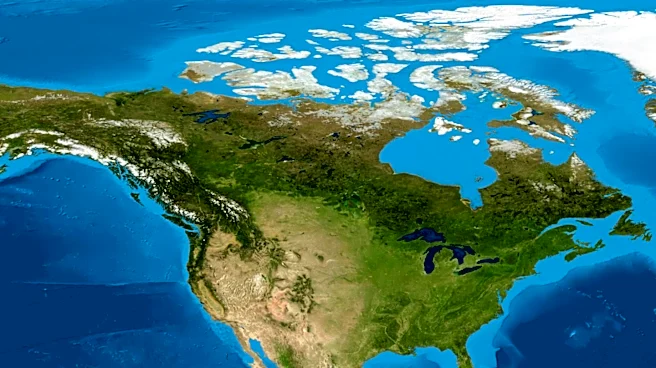
Droughts across the American West and Europe are not only drying up rivers and fueling fires but are also altering the spread of infectious diseases. According to a review paper published in Trends in Ecology & Evolution, researchers from CU Boulder and the Cary
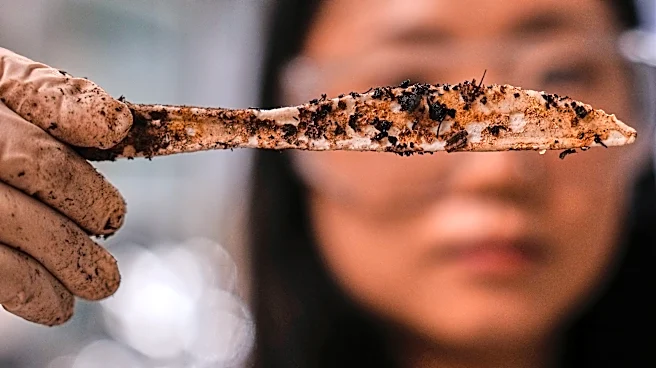
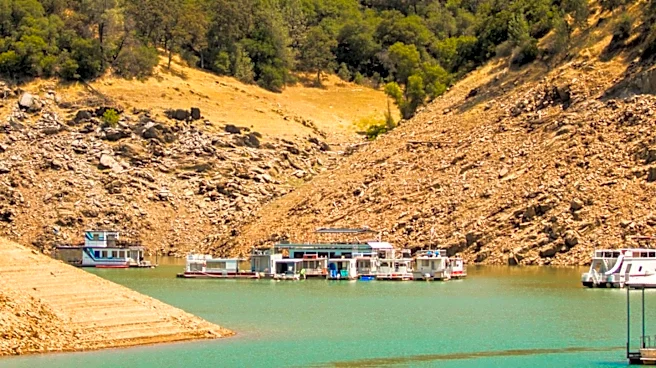
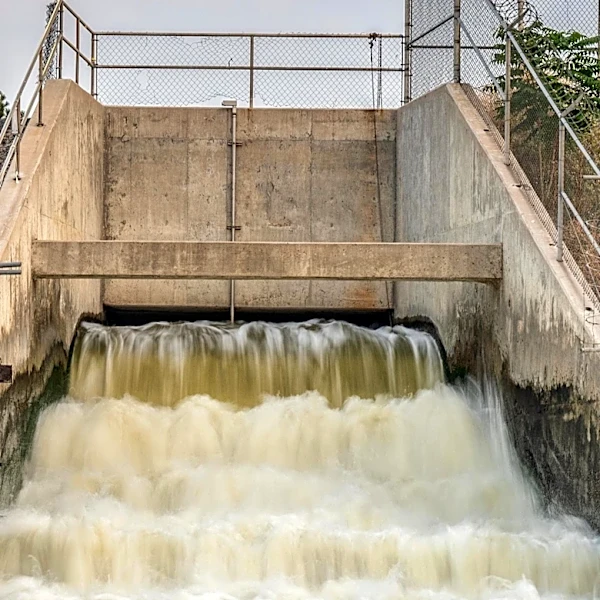
Institute of Ecosystem Studies have found that drier conditions are making humans and wildlife more susceptible to diseases like cholera and West Nile virus. The study highlights that while many parasites depend on water, droughts can lead to increased disease transmission as animals congregate around limited water sources. This phenomenon was observed in California, where shrinking ponds during a severe drought led to higher infection rates among amphibians. The unpredictability of droughts, exacerbated by climate change, poses significant challenges in managing disease in natural ecosystems.
Why It's Important?
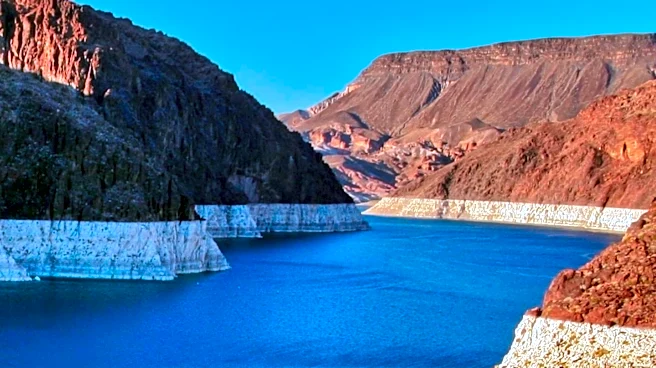
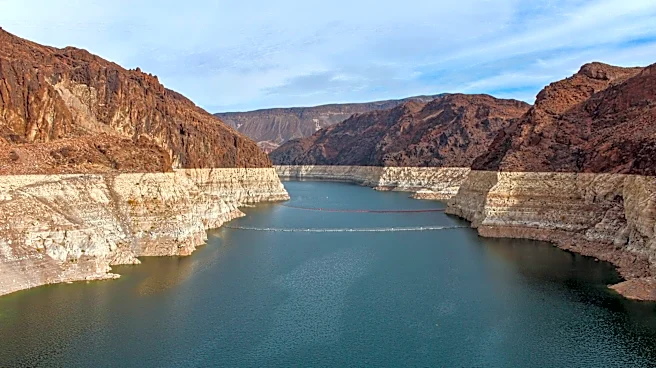
The findings underscore the complex relationship between climate change and public health. As droughts become more frequent and severe, they could lead to increased outbreaks of certain infectious diseases, impacting both human and animal populations. This has significant implications for public health planning and disease management strategies. In the U.S., the western states are particularly vulnerable, with reservoirs like Lake Mead at critically low levels. The study suggests that understanding how diseases respond to drought conditions can help in forecasting outbreaks and preparing for them, potentially saving lives and resources.
What's Next?
Future research is needed to predict which pathogens will thrive under drought conditions. This involves identifying characteristics that make certain pathogens more successful, such as their ability to infect multiple hosts or survive outside aquatic environments. Policymakers and public health officials may need to develop adaptive strategies to mitigate the impact of these changes, including enhanced monitoring of disease hotspots and improved water management practices. As climate change continues to alter environmental conditions, proactive measures will be crucial in managing the health risks associated with drought-induced disease transmission.
Beyond the Headlines
The study highlights the broader implications of climate change on ecosystems and biodiversity. As droughts reshape habitats, they could lead to shifts in species distributions and interactions, potentially altering entire ecosystems. This could have cascading effects on food webs and biodiversity, with some species becoming more dominant while others decline. Understanding these dynamics is essential for conservation efforts and maintaining ecological balance in affected regions.