



What's Happening?
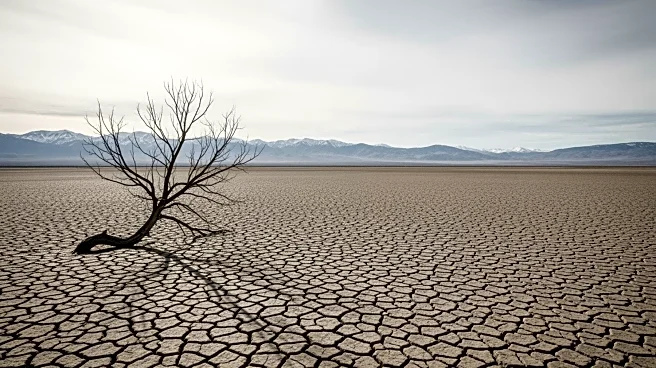
The Western United States is experiencing a record snow drought, characterized by unprecedented heat and minimal snow cover, which is raising alarms about future water shortages and an increased risk of wildfires. Scientists report that snow cover and depth
are at their lowest levels in decades, with at least 67 weather stations in the West recording their warmest December through early February on record. The National Snow and Ice Data Center notes that the current snow cover is significantly reduced, covering only about 155,000 square miles compared to the usual 460,000 square miles. This lack of snow is attributed to unusually warm temperatures, which are linked to climate change. The situation is exacerbated by the fact that much of the precipitation that would typically fall as snow is now falling as rain, leading to quicker runoff and less water retention in the mountains.
Why It's Important?
The snow drought poses significant challenges for water management in the Western U.S., particularly affecting the Colorado River Basin, which relies on snowmelt for water supply. This could lead to water shortages impacting agriculture, urban areas, and hydropower systems. Additionally, the early disappearance of snow increases the risk of wildfires, as exposed ground dries out more quickly in the warmer months. The situation also threatens winter tourism and recreation industries, which depend on consistent snow cover. The persistent warmth and lack of snow are clear indicators of the broader impacts of climate change, highlighting the need for adaptive strategies in water resource management and wildfire prevention.
What's Next?
Meteorologists predict some relief with wetter and cooler weather expected in the coming week, which may bring some snow to the region. However, temperatures are still anticipated to remain above average, and experts are not optimistic that the snow will be sufficient to significantly alleviate the drought conditions. This ongoing situation underscores the need for long-term planning and adaptation strategies to address the challenges posed by climate change, particularly in managing water resources and preparing for increased wildfire risks.