



What's Happening?
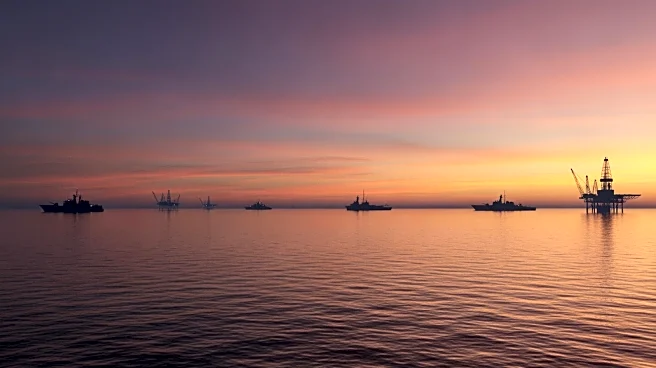
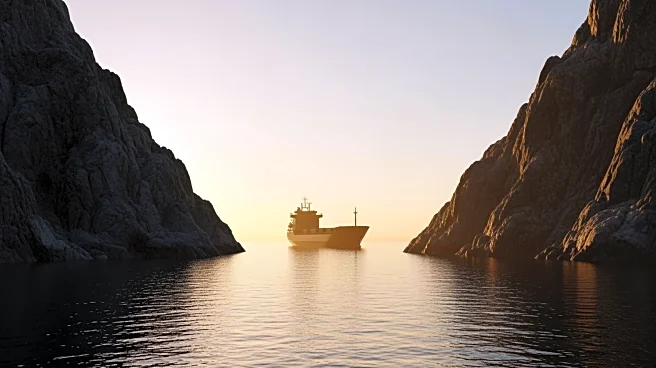
Iran has announced its readiness to allow Japanese-related vessels to pass through the Strait of Hormuz, a critical channel for global oil supplies. This decision comes amid the ongoing US-Israeli conflict with Iran, during which Tehran had largely closed
the strait. The closure has significantly impacted global oil prices, prompting countries like Japan to release oil from their reserves. Iranian Foreign Minister Abbas Araghchi indicated that talks with Tokyo are underway to facilitate the passage of Japanese vessels. Japan relies on the strait for approximately 90% of its oil shipments, making this development crucial for its energy security.
Why It's Important?
The reopening of the Strait of Hormuz for Japanese vessels is a significant move that could help stabilize global oil markets, which have been volatile due to the conflict. For Japan, securing a reliable oil supply is critical for its economy, and this development could alleviate some of the pressures caused by the conflict. Additionally, it reflects Iran's strategic use of the strait as a bargaining tool in international diplomacy, potentially influencing future negotiations and alliances in the region.
What's Next?
As talks between Iran and Japan progress, other nations dependent on the Strait of Hormuz for oil shipments may seek similar agreements to ensure their energy security. The US, under President Trump's administration, is likely to continue pressing allies to contribute to efforts to keep the strait open. This could lead to increased diplomatic and military engagements in the region, as countries navigate the complex geopolitical landscape shaped by the conflict.