






What's Happening?
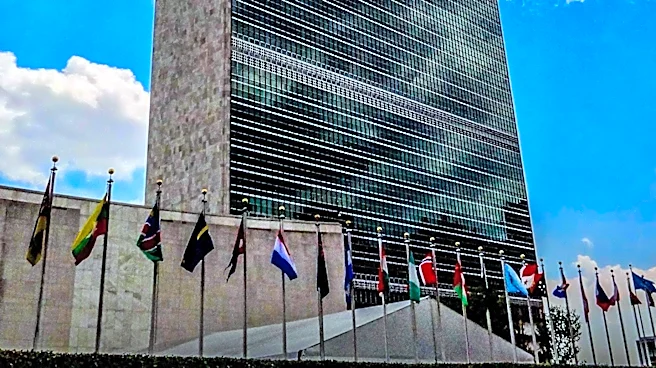
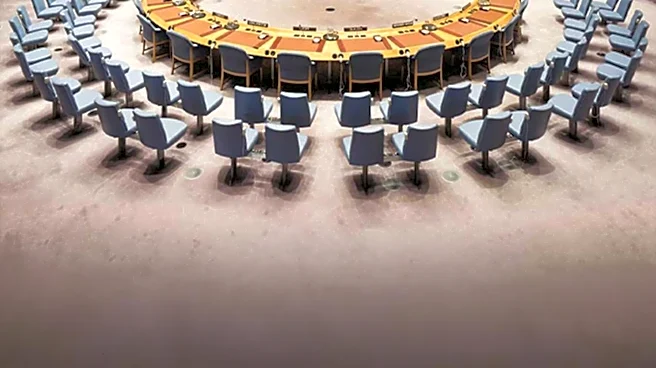
Japan's draft resolution, titled 'Common Steps Towards a World Without Nuclear Weapons,' has been adopted by the United Nations General Assembly’s First Committee in New York. The proposal received 150 votes in favor, with seven against and 25 abstentions.
This diplomatic development occurred on October 27, local time, and is considered significant amidst ongoing global divisions concerning nuclear weapons and security. The draft resolution encourages nations to implement practical measures aimed at supporting nuclear disarmament and mitigating risks associated with nuclear arsenals. Key proposed measures include enhancing transparency regarding nuclear weapons, reducing nuclear risks, fostering dialogue among nuclear-armed states, pursuing both qualitative and quantitative disarmament, and deepening international understanding of the consequences of atomic bombings. This initiative by Japan comes in the context of this year's review conference for the Treaty on the Non-Proliferation of Nuclear Weapons (NPT), which is a cornerstone of the international framework for nuclear non-proliferation and disarmament.
Why It's Important?
This development is important because it signals broad international consensus on the need for practical steps toward nuclear disarmament, even as global security concerns persist. The UN General Assembly’s First Committee plays a crucial role in shaping discussions and recommendations on disarmament and international security among member states. Japan, as the only nation to have experienced atomic bombings, brings a unique and compelling perspective to these discussions, emphasizing cooperation between nuclear-weapon states and non-nuclear-weapon states. The strong support for Japan's draft underscores a collective desire within the international community to reduce nuclear threats and promote stability. The proposed measures, such as increased transparency and dialogue, are critical for building trust and preventing miscalculation among nuclear powers, which could have catastrophic global consequences.
What's Next?
The adopted draft resolution will now advance to a planned General Assembly plenary vote, which is expected to take place in early December. While the committee's adoption is a significant step, the proposal has not yet become a final General Assembly resolution. The upcoming plenary vote will determine the ultimate endorsement of these measures by the broader UN membership. The outcome of this vote will indicate the level of commitment from member states to pursue the practical steps outlined in Japan's proposal. Should it pass, it would provide a stronger mandate for international efforts to reduce nuclear arsenals and risks, potentially influencing national policies and diplomatic engagements related to nuclear disarmament in the coming years.
Beyond the Headlines
The broad support for Japan's nuclear disarmament draft reflects a deeper global anxiety about the proliferation and potential use of nuclear weapons, especially in an era of heightened geopolitical tensions. This initiative could serve as a catalyst for renewed diplomatic efforts and multilateral discussions on arms control, potentially encouraging nuclear-armed states to re-evaluate their commitments to disarmament. The emphasis on transparency and dialogue also highlights a growing recognition that trust-building measures are essential for de-escalating nuclear threats. Furthermore, the resolution's focus on understanding the consequences of atomic bombings underscores the ethical imperative to prevent future nuclear conflicts, reinforcing the humanitarian dimension of disarmament efforts and potentially influencing public opinion and advocacy for a world free of nuclear weapons.