

What's Happening?
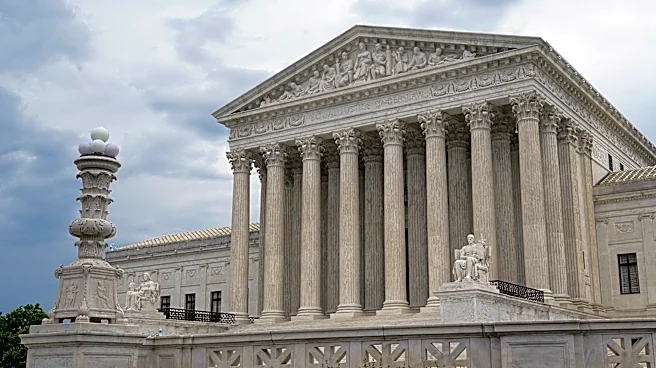
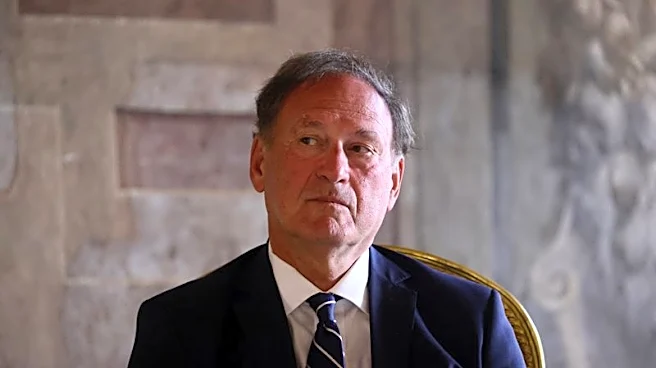
Justice Samuel Alito has recused himself from a significant climate change liability case, *Suncor v. Boulder*, just one week before the Supreme Court was scheduled to hear arguments. This decision follows months of public scrutiny and calls for his recusal
due to his ownership of individual corporate stocks, including in the fossil fuel industry. While Alito does not hold stock in ExxonMobil or Suncor, the companies directly involved in the Boulder case, he does own shares in other companies that face similar climate liability lawsuits. A Supreme Court ruling in favor of the oil companies in *Suncor v. Boulder* could provide broad immunity from climate change liability, impacting numerous other cases where Alito holds related stock. The clerk of the court issued a letter announcing Alito's recusal without providing a specific explanation. This development reignites the ongoing debate about judicial ethics and stock ownership among Supreme Court justices.
Why It's Important?
Justice Alito's recusal, while a step towards addressing immediate conflict of interest concerns, highlights deeper issues regarding the ethical standards and public perception of the Supreme Court. His participation in the conference where the Court decided to hear the *Suncor v. Boulder* case raises questions about whether his vote was pivotal in granting certiorari, especially since he had recused himself from similar cases in the past. The fact that Alito is the only justice with an extensive portfolio of individual stocks in corporations that frequently litigate before the federal courts underscores a systemic vulnerability. This situation fuels public cynicism about the Court's integrity and its ability to impartially adjudicate cases when justices hold financial interests in related industries. The outcome of *Suncor v. Boulder* could set a precedent for numerous climate liability lawsuits, potentially shielding the fossil fuel industry from billions of dollars in damages and shifting the financial burden of climate change impacts onto state and local governments.
What's Next?
With Justice Alito's recusal, the Supreme Court will proceed with hearing *Suncor v. Boulder* without his participation. The decision in this case will be closely watched as it could significantly influence the trajectory of climate change litigation across the U.S., potentially affecting dozens of similar lawsuits currently stayed pending its outcome. The ongoing debate about Supreme Court ethics is likely to intensify, with renewed calls for stricter regulations on stock ownership for justices. Watchdog groups and environmental organizations will continue to monitor the Court's decisions and the financial interests of its members. The Senate Judiciary Committee may face increased pressure to investigate judicial ethics and consider legislative measures to impose more stringent ethical constraints on the Supreme Court, including potential reforms regarding stock holdings and recusal processes.
Beyond the Headlines
The controversy surrounding Justice Alito's stock holdings and subsequent recusal extends beyond the immediate climate case, touching upon fundamental questions of judicial independence, public trust, and the role of personal finance in public service. The argument that some stock holdings are inherited and hold sentimental value, as suggested by a biographer, highlights the complex personal dimensions that can intersect with judicial ethics. However, legal ethics experts argue that no personal attachment should override the need to avoid conflicts of interest and maintain the Court's impartiality. This situation also brings into focus the broader discussion about whether Supreme Court justices should hold individual stocks at all, given the potential for perceived or actual conflicts. The Court's 2023 code of conduct, while a step, did not fully address this fundamental question, leaving room for continued ethical scrutiny and calls for more comprehensive structural reforms to ensure the judiciary's integrity.