





What's Happening?
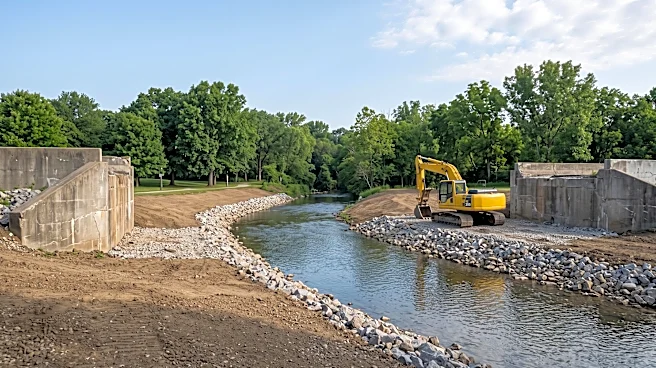
Demolition work is set to commence on Monday for the Hazel Dell Parkway bridge in Carmel, Indiana, located just south of 106th Street. This action marks the initial phase of replacing the structure, which was destroyed by historic flooding in mid-August.
Milestone Contractors will begin moving equipment to the site on Friday, with crews scheduled to work 10-hour shifts, six days a week. The contract stipulates that the demolition must be completed by October 30. Hamilton County Highway Director Brad Davis stated that the work involves not only removing the bridge but also restoring the slopes along the banks to enhance stability and safety. This preparatory work aims to save time once construction on the new bridge begins. Representatives from Hamilton County, Carmel city government, Carmel Utilities, Martin Marietta, and Milestone Contractors convened at the bridge on Thursday for a planning meeting to coordinate the demolition efforts. The bridge, originally built in 1998, requires complete replacement after its collapse on August 15, which was caused by record rainfall and surging water in Blue Woods Creek.
Why It's Important?
The demolition and subsequent replacement of the Hazel Dell Parkway bridge are crucial for restoring vital infrastructure in Carmel, Indiana, directly impacting local transportation and community connectivity. The bridge's collapse due to historic flooding highlights the vulnerability of existing infrastructure to extreme weather events, a growing concern across the U.S. The expedited demolition schedule, with crews working extended hours, underscores the urgency placed on re-establishing this critical link for residents and businesses. The project's scope, which includes restoring bank slopes for stability, indicates a proactive approach to mitigating future flood risks, potentially serving as a model for other regions facing similar environmental challenges. The involvement of multiple governmental and private entities in the planning and execution phases demonstrates a collaborative effort to address infrastructure failures, which is essential for efficient disaster recovery and urban resilience. The incident also brings into question the long-term reliability of infrastructure, as the bridge was rated in 'good' or 'very good' condition in recent inspections, suggesting that current assessment methods may need re-evaluation in the face of increasingly severe weather patterns.
What's Next?
Following the commencement of demolition on Monday, Milestone Contractors are expected to work diligently to meet the October 30 deadline for completing the bridge's removal. Concurrently, Hamilton County officials will continue to finalize the design for the permanent replacement bridge. The completion of the demolition phase is anticipated to significantly accelerate the timeline for beginning construction on the new structure. The restoration of the slopes along the banks of Blue Woods Creek will proceed alongside the demolition to ensure the area's stability and safety. Local residents and commuters can expect continued traffic disruptions in the vicinity of Hazel Dell Parkway until the new bridge is constructed and opened. The collaborative efforts between Hamilton County, Carmel city government, Carmel Utilities, Martin Marietta, and Milestone Contractors will persist as they move from demolition to the design and eventual construction phases. The focus will remain on ensuring the new bridge is resilient against future environmental challenges, given the historic flooding that led to the original structure's collapse.
Beyond the Headlines
The destruction of the Hazel Dell Parkway bridge by historic flooding in Carmel, Indiana, extends beyond a localized infrastructure failure, pointing to broader implications for urban planning and climate resilience across the U.S. The incident underscores the increasing strain that extreme weather events, exacerbated by climate change, place on aging infrastructure. The fact that the bridge was rated 'good' or 'very good' in recent inspections raises critical questions about the adequacy of current infrastructure assessment methodologies and whether they sufficiently account for the escalating intensity of natural disasters. This event could prompt a re-evaluation of engineering standards and maintenance protocols nationwide, encouraging a shift towards more resilient designs that can withstand unprecedented environmental pressures. Furthermore, the collaborative response involving multiple governmental and private entities highlights the necessity of integrated approaches to disaster recovery and prevention. It also brings to light the economic burden of such events, not only in terms of direct repair costs but also the indirect costs associated with disrupted commerce and daily life, emphasizing the long-term financial implications of climate inaction on infrastructure.