



What's Happening?
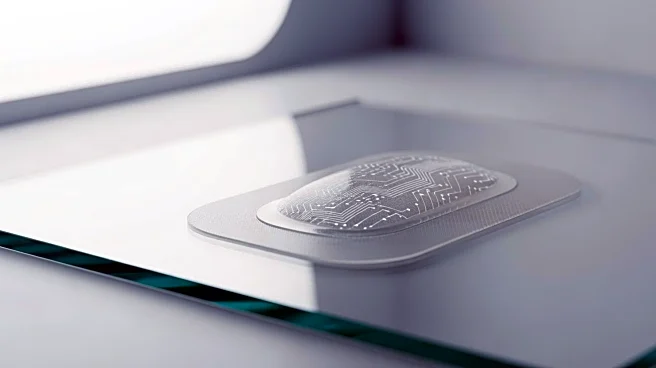
Scientists from Tokyo City University and The University of Tokyo have developed a 'living sensor display' using engineered skin that fluoresces in response to internal biomarkers like inflammation. This biohybrid approach allows for continuous monitoring
without the need for invasive procedures. The study, published in Nature Communications, highlights the potential for this technology to advance health monitoring and disease prevention strategies.
Why It's Important?
The engineered skin technology offers a novel way to monitor health indicators continuously and noninvasively. By providing real-time feedback on internal biological states, it could improve early disease detection and management. This innovation represents a shift towards more integrated and personalized healthcare solutions, potentially reducing the need for frequent blood tests and enhancing patient outcomes.
What's Next?
The research team plans to explore additional applications for the engineered skin technology, including monitoring other physiological or metabolic cues. They aim to address challenges related to immunogenicity and ensure the technology's safety and efficacy for clinical use. If successful, this approach could transform how health is monitored and managed, offering new opportunities for personalized medicine.