
What's Happening?
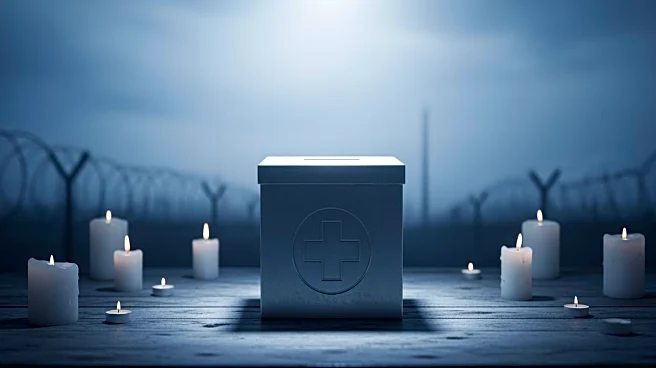
The International Federation of Red Cross and Red Crescent Societies has raised concerns about a significant shortfall in funding for emergency appeals worldwide, with current funding levels at only 20
percent. This comes at a time when global conflicts are intensifying, driven by geopolitical tensions and an increase in arms races. Caroline Holt, Director for Disaster, Climate and Crises at the Red Cross, highlighted the growing trend of governments prioritizing military spending over humanitarian aid. This shift is exacerbating displacement and reducing resources available for crisis management. The situation is further complicated by the influence of major powers like the United States under President Trump and China, which are reshaping global security dynamics.
Why It's Important?
The reduction in humanitarian aid funding has significant implications for global stability and development. As governments divert resources to military spending, vulnerable populations face increased risks of displacement and poverty. The arms race, fueled by technological advancements and geopolitical tensions, threatens to escalate conflicts further. This environment creates a challenging landscape for humanitarian organizations, which are struggling to meet the needs of affected communities. The shift in funding priorities also opens opportunities for countries like China to expand their influence through initiatives like the Belt and Road infrastructure investment scheme, potentially altering global power dynamics.
What's Next?
The ongoing reduction in aid budgets is likely to continue, with Western countries focusing more on security agendas. This trend may lead to increased reliance on non-Western donors, such as Qatar and China, to fill the funding gaps. The shift towards investment for development, as opposed to direct aid, could reshape how humanitarian efforts are financed and implemented. Additionally, the continued advancement of military technologies, including artificial intelligence, may further complicate the global security landscape, necessitating new strategies for conflict prevention and resolution.
Beyond the Headlines
The decline in humanitarian aid funding raises ethical questions about the responsibilities of wealthy nations to support global stability and development. The prioritization of military spending over aid reflects broader cultural and political shifts towards nationalism and self-interest. This trend challenges the post-World War II international order, which emphasized cooperation and collective security. As traditional power structures evolve, new alliances and partnerships may emerge, potentially redefining global governance and the role of international organizations in addressing humanitarian crises.