





What's Happening?
Former Congresswoman Marjorie Taylor Greene has voiced strong concerns over the national diesel price reaching an unprecedented $6 per gallon. In a post on X, she described the situation as 'unreal' and emphasized that 'Everything we buy is delivered
by diesel.' Her comments directly linked the rising fuel costs to ongoing international conflicts, specifically mentioning wars and advocating for their cessation. According to AAA data, diesel prices hit $5.9773 a gallon on Thursday, marking its highest recorded average. This represents a significant increase from $3.7060 a year prior. The national average for regular gasoline also saw an increase, reaching $4.2770, up from $3.1938 a year ago. GasBuddy's head of petroleum analysis, Patrick De Haan, highlighted that diesel powers a vast majority of the country's transportation and agricultural sectors, meaning these price hikes will inevitably affect the cost of consumer goods and deliveries.
Why It's Important?
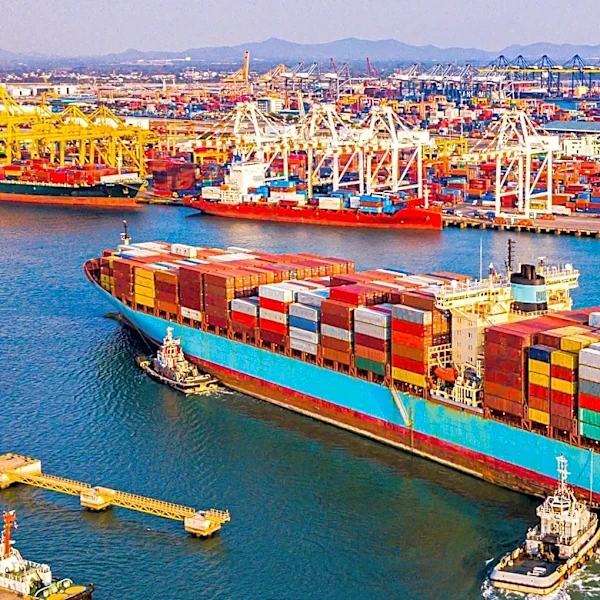
The surge in diesel prices to a record $6 per gallon carries substantial economic implications for the United States. As noted by former Congresswoman Marjorie Taylor Greene and confirmed by industry analysts, diesel is the primary fuel for trucks, trains, farm equipment, and construction machinery that transport goods across the nation. This means that the increased cost of diesel will directly translate into higher prices for groceries, household items, and virtually all delivered goods, impacting every American household regardless of whether they directly purchase diesel. This inflationary pressure on the supply chain could lead to a more expensive holiday season, as predicted by GasBuddy's Patrick De Haan. The Bureau of Labor Statistics' August Producer Price Index already indicated a 24.1% jump in diesel prices, significantly contributing to the overall increase in producer prices. The situation is exacerbated by global refining challenges, including Ukrainian drone strikes on Russian energy infrastructure, which have curtailed Russia's fuel refining and export capabilities. This confluence of factors threatens to further strain the U.S. economy and consumer budgets.
What's Next?
The immediate future suggests continued upward pressure on diesel prices, particularly if geopolitical tensions persist, as indicated by GasBuddy's Patrick De Haan. Consumers should anticipate a more expensive holiday season due to the ripple effect of higher transportation costs on goods and services. Businesses reliant on diesel-powered logistics will likely face increased operational expenses, which may be passed on to consumers. The call by former Congresswoman Marjorie Taylor Greene to 'End the wars' highlights a potential political response, suggesting that the economic impact of these fuel prices could become a more prominent issue in political discourse, potentially leading to increased pressure on policymakers to address the underlying causes of global energy market instability. The ongoing global refining crunch, partly attributed to geopolitical events, will also need to be monitored as it directly influences supply and pricing.
Beyond the Headlines
The record-breaking diesel prices and the subsequent call to 'End the wars' by former Congresswoman Marjorie Taylor Greene underscore a deeper intersection between global geopolitics, domestic economic stability, and public sentiment. Beyond the immediate financial burden on consumers and businesses, this situation highlights the vulnerability of the U.S. economy to international conflicts and energy market disruptions. It could reignite debates about energy independence, the strategic petroleum reserve, and the long-term implications of foreign policy decisions on everyday American life. The broad impact of diesel on the supply chain also brings into focus the critical infrastructure that underpins the nation's economy, prompting questions about its resilience and diversification. Furthermore, the public's reaction to rising costs, particularly during peak consumer seasons like the holidays, could influence political narratives and potentially shift priorities in national policy discussions regarding both economic and foreign affairs.