
What's Happening?
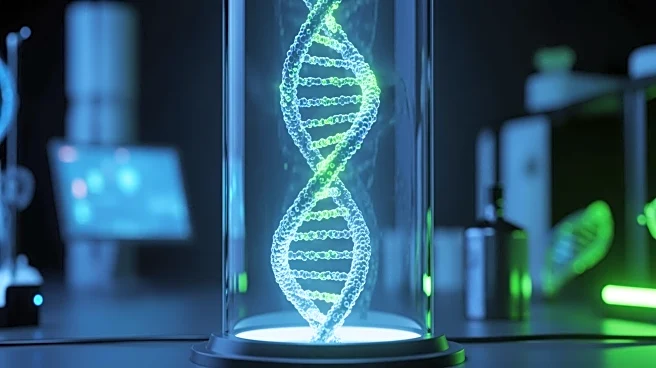
The year 2025 has seen significant advancements in the medical field, with gene-editing therapy and bespoke medicine emerging as top developments. Gene-editing therapy, which allows for precise alterations
in DNA to treat genetic disorders, has gained traction as a promising solution for previously untreatable conditions. Bespoke medicine, on the other hand, involves tailoring medical treatments to individual patients based on their genetic makeup, lifestyle, and environment, offering a more personalized approach to healthcare. These breakthroughs are part of a broader trend towards precision medicine, which aims to improve treatment outcomes by considering individual variability in genes and other factors.
Why It's Important?
These medical breakthroughs have the potential to revolutionize healthcare by providing more effective and personalized treatment options. Gene-editing therapy could lead to cures for genetic diseases that currently have no treatment, significantly improving the quality of life for affected individuals. Bespoke medicine represents a shift towards more personalized healthcare, which could lead to better patient outcomes and more efficient use of healthcare resources. These advancements also highlight the growing importance of genetic research and biotechnology in the medical field, potentially leading to new industries and job opportunities in the U.S. economy.
What's Next?
As these technologies continue to develop, regulatory bodies will need to establish guidelines to ensure their safe and ethical use. The integration of gene-editing and bespoke medicine into mainstream healthcare will require collaboration between researchers, healthcare providers, and policymakers. Public acceptance and understanding of these technologies will also be crucial, as ethical concerns about genetic modification and data privacy may arise. Continued investment in research and development will be necessary to fully realize the potential of these medical innovations.
Beyond the Headlines
The rise of gene-editing and bespoke medicine could lead to significant ethical and legal challenges. Questions about the long-term effects of genetic modifications and the potential for misuse in areas such as genetic enhancement or discrimination based on genetic information will need to be addressed. Additionally, the cost of these advanced treatments may pose accessibility issues, potentially widening the gap in healthcare equity. As these technologies become more prevalent, society will need to navigate these complex issues to ensure that the benefits are shared broadly and ethically.