



What's Happening?
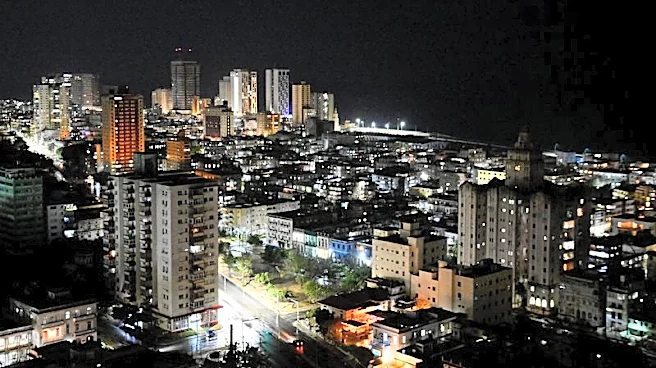
In Cuba, the elderly population is facing severe hardships due to an ongoing economic crisis exacerbated by a U.S. oil embargo. The crisis has led to a significant decline in the population, with many young people emigrating, leaving behind an aging population.
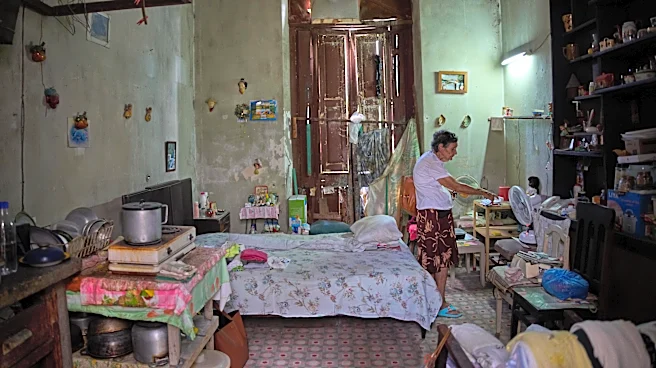
According to Cuba’s National Bureau of Statistics, by the end of 2024, nearly 26% of the population was aged 60 or older. The elderly, many of whom are former government employees, are struggling to survive on meager pensions that are often less than $10 a month. They rely heavily on subsidized food rations and free meals provided by churches and some state institutions. The Church of the Holy Spirit in Old Havana is one such place where elderly residents gather for meals, which are a crucial supplement to their limited resources.
Why It's Important?
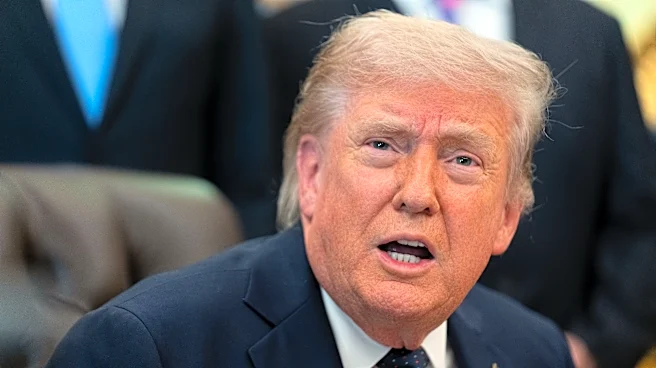
The situation highlights the vulnerability of Cuba's elderly population in the face of economic sanctions and internal challenges. The U.S. oil embargo, imposed by President Trump, has intensified the economic difficulties, leading to shortages and increased hardship for the most vulnerable. The aging population, coupled with a declining birth rate and high emigration, poses significant challenges for Cuba's social and economic systems. The government's recent decision to allow private entrepreneurs to operate elder care services marks a shift from its traditional model of state control, indicating a potential change in policy to address these issues. The crisis underscores the broader implications of international sanctions on civilian populations, particularly the elderly, who are often the hardest hit.
What's Next?
The Cuban government may continue to explore policy changes to mitigate the impact of the crisis on its elderly population. The authorization of private elder care services could lead to more such initiatives aimed at providing support to the aging demographic. Internationally, the situation may prompt discussions on the humanitarian impact of economic sanctions and the need for targeted relief efforts. The ongoing economic challenges could also influence Cuba's diplomatic relations and negotiations with other countries, including the United States, as they seek to alleviate the crisis.
Beyond the Headlines
The crisis in Cuba raises ethical questions about the impact of economic sanctions on vulnerable populations. It also highlights the resilience of the elderly, who continue to navigate daily challenges with limited resources. The situation may lead to long-term shifts in Cuba's social policies and economic strategies, as the government seeks to balance state control with private sector involvement. Additionally, the crisis could influence cultural perceptions of aging and the role of community support in times of economic hardship.