






What's Happening?
In 2001, a joint Russian-U.S. military team, including U.S. Green Berets, conducted patrols along the Kosovo-Serbia border within the Russian sector. This mission aimed to maintain stability and prevent incursions into the NATO-established Demilitarized
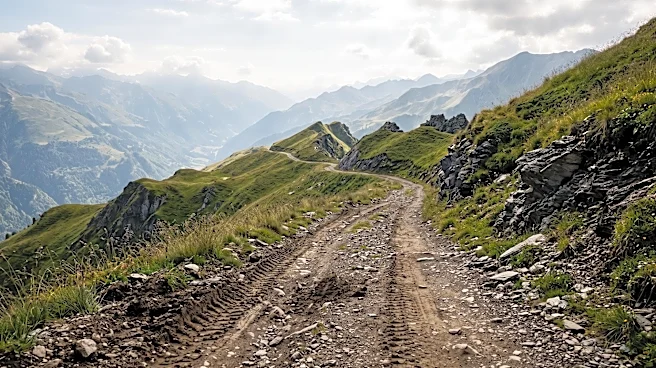
Zone (DMZ) separating Serbian forces from Kosovo. The patrols involved navigating challenging single-lane dirt roads and trails, often requiring four-wheel drive. During these operations, U.S. and Russian soldiers shared meals, stories, and vodka, fostering an unexpected camaraderie despite historical geopolitical tensions. One notable incident involved the apprehension of an Albanian man suspected of being a UCPMB member, which led to the discovery and disruption of a UCPMB base camp in Velja Glava. This operation marked a significant combat experience for the U.S. Green Berets involved, occurring prior to the events of 9/11.
Why It's Important?
This joint operation highlights a unique period of cooperation between U.S. and Russian military forces in a post-Cold War, post-conflict zone. It demonstrates the complex and often fluid nature of international relations and military alliances, where former adversaries can collaborate on specific missions for regional stability. For the U.S. military, it provided valuable experience in unconventional warfare and joint operations with a major global power in a volatile region. The mission underscored the strategic importance of the Kosovo-Serbia border, a region with deep historical and cultural significance to Serbs, and the ongoing efforts to manage ethnic and political tensions. The engagement with UCPMB elements also illustrates the persistent threat of paramilitary groups in the aftermath of larger conflicts, requiring continued vigilance and intervention.
What's Next?
While the specific joint patrols described are historical, the broader implications for U.S. foreign policy in the Balkans and relations with Russia remain relevant. Future U.S. engagement in similar complex geopolitical environments could draw lessons from such cooperative efforts, particularly in situations requiring multinational peacekeeping or counter-insurgency operations. The region continues to be a focal point for international diplomacy, with ongoing efforts to normalize relations between Serbia and Kosovo. The U.S. will likely continue to support stability in the Balkans through diplomatic channels, security assistance, and participation in international peacekeeping efforts, adapting strategies based on evolving regional dynamics and global power shifts.
Beyond the Headlines
The narrative of U.S. Green Berets working alongside Russian forces challenges conventional perceptions of military adversaries and highlights the pragmatic aspects of international security operations. It underscores how shared immediate objectives can temporarily override long-standing ideological differences. This cooperation also offers a glimpse into the human element of military service, where soldiers from different nations can find common ground amidst challenging circumstances. The experience of combat for the Green Berets involved, particularly in a pre-9/11 context, shaped their understanding of modern warfare and the complexities of post-conflict stabilization. It also implicitly raises questions about the effectiveness of joint forces in achieving long-term peace versus merely managing immediate crises in ethnically charged regions.