



What's Happening?
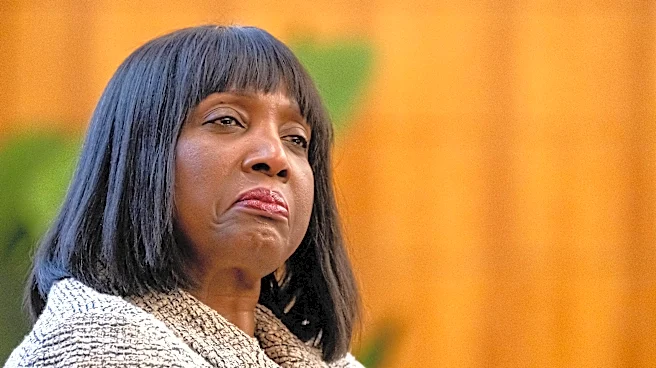
Federal Reserve Governor Lisa Cook is actively challenging President Trump's renewed efforts to remove her from the central bank. Her lawyer, Abbe Lowell, sent a five-page letter to White House counsel David Warrington, asserting that allegations of mortgage
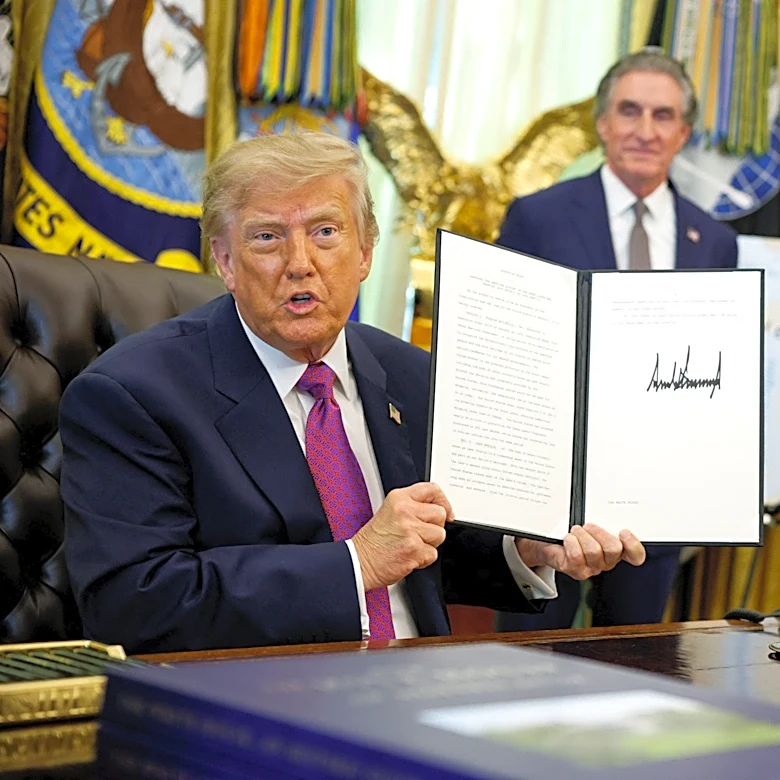
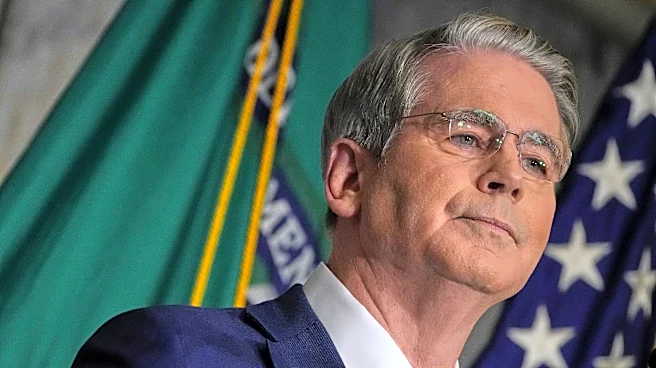
fraud against Cook are "unfounded and untrue." President Trump initially moved to fire Cook, an appointee of former President Joe Biden, in late August 2025, following a criminal referral from Federal Housing Finance Agency Director Bill Pulte to the Department of Justice. Pulte accused Cook of possible mortgage fraud, alleging she claimed two different properties as her primary residence simultaneously. Cook denied these allegations and filed a lawsuit challenging her dismissal. The Supreme Court, in late June, blocked President Trump from immediately firing Cook but indicated a path for him to attempt her removal again. Lowell's letter argues that attempting to fire Cook based on Pulte's referral would disregard facts and law, and that any alleged mistake on a mortgage form was unintentional and occurred in her private capacity before she took office.
Why It's Important?
This ongoing dispute has significant implications for the independence of the Federal Reserve and the stability of U.S. financial policy. The attempt to remove a sitting Federal Reserve Governor raises questions about political interference in an institution traditionally seen as independent from partisan pressures. If President Trump were successful in removing Cook, it could set a precedent for future administrations to exert greater control over the Federal Reserve, potentially undermining its ability to make objective economic decisions. The allegations of mortgage fraud, even if denied, could also cast a shadow over the integrity of financial officials. Furthermore, the Supreme Court's ruling, while temporarily protecting Cook, leaves open the possibility of future removal attempts, creating uncertainty within the Federal Reserve's leadership. This situation highlights the delicate balance between presidential authority and the institutional independence of key government bodies.
What's Next?
The legal and political battle surrounding Federal Reserve Governor Lisa Cook's position is expected to continue. Her lawyer's letter to the White House counsel indicates a firm stance against President Trump's removal efforts. The White House will likely respond to Lowell's arguments, potentially leading to further legal proceedings or administrative actions. The Supreme Court's previous ruling suggests that any future attempt to remove Cook would need to adhere strictly to legal and procedural requirements, likely focusing on the definition of 'cause' for dismissal under the Federal Reserve Act. This situation could also prompt increased scrutiny from Congress and the public regarding the process of appointing and removing Federal Reserve officials. The outcome will not only determine Cook's tenure but also influence the perceived independence and operational autonomy of the Federal Reserve in the long term.
Beyond the Headlines
The controversy surrounding Federal Reserve Governor Lisa Cook's potential dismissal extends beyond immediate legal and political ramifications, touching upon fundamental principles of governance and institutional integrity. The accusation of mortgage fraud, even if unproven, raises ethical questions about the conduct expected of high-ranking public officials. More broadly, the repeated attempts by President Trump to remove a Federal Reserve Governor underscore a tension between executive power and the need for independent regulatory bodies to function without undue political pressure. This situation could contribute to a broader erosion of public trust in government institutions if the process is perceived as politically motivated rather than based on legitimate grounds. The long-term implications could include a re-evaluation of the Federal Reserve's governance structure and the safeguards in place to protect its independence, potentially leading to legislative proposals aimed at clarifying the grounds for dismissal of its governors.