








What's Happening?
Nigeria continues to lead Africa's liquefied natural gas (LNG) production, despite the emergence of new exporters in the continent. According to the 2026 World LNG Report by the International Gas Union (IGU), Nigeria remains the largest LNG producer in Africa,
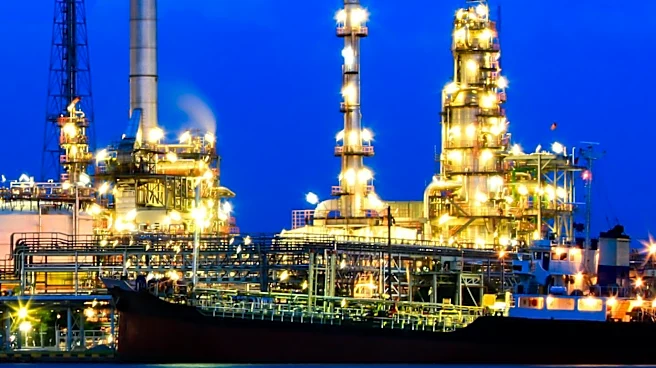
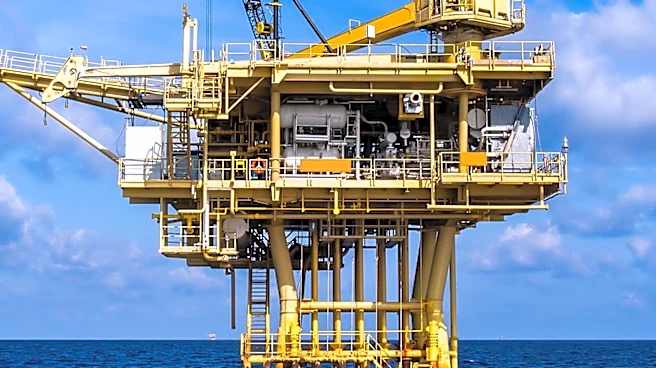
with its Nigeria LNG (NLNG) facility on Bonny Island boasting an installed liquefaction capacity of 22 million tonnes per annum. This development comes as the Greater Tortue Ahmeyim (GTA) project, a $4.6 billion offshore initiative, introduces Mauritania and Senegal as new players in the LNG export market. The project, operated by bp and Kosmos Energy, is expected to produce about 2.5 million tonnes of LNG annually. The report highlights that global LNG trade reached a record 437 million tonnes in 2025, with Africa playing a significant role in meeting the growing demand.
Why It's Important?
The expansion of Africa's LNG export capacity is significant for the global energy market, particularly as geopolitical tensions and conflicts, such as those in the Middle East, create uncertainties in energy supply. Nigeria's continued dominance in LNG production underscores its strategic importance in the global energy landscape. The entry of Mauritania and Senegal into the LNG market is poised to enhance West Africa's economic position, potentially unlocking billions in export earnings and foreign investment. This development also reflects a broader trend of increasing global investment in LNG, with 68.4 million tonnes per annum of new liquefaction capacity reaching final investment decisions in 2025. As Africa's LNG capacity grows, it could reshape global supply dynamics and offer new opportunities for economic growth and energy security.
What's Next?
As Africa's LNG export capacity expands, established exporters like Nigeria, Algeria, Egypt, and Angola are expected to continue modernizing and increasing their production capabilities. Meanwhile, countries such as Mozambique and the Republic of the Congo are advancing major LNG projects that could further boost Africa's share of global exports. The ongoing investment in LNG infrastructure is likely to create new economic opportunities and strengthen Africa's role in the global energy trade. However, the market's outlook remains clouded by geopolitical uncertainties, particularly in the Middle East, which could impact future supply and demand dynamics.