






What's Happening?
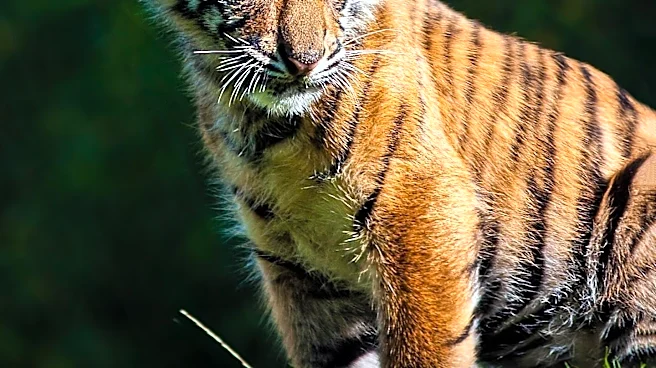
Three 2-month-old Sumatran tiger cubs, born at a zoo near Athens, Greece, received their first vaccinations and identification microchips on Tuesday. This initiative is part of a global effort to establish a backup population for the critically endangered
species. The cubs, two males and one female, were born in early July to their mother, Toba, and late father, Argos. Veterinary staff at Attica Zoological Park managed the demanding procedure, which included ferrying the restless cubs in carriers. The vaccine administered is similar to one commonly given to domestic cats and protects against three diseases. The Sumatran tiger is classified as critically endangered by the United Nations and conservation groups, with as few as 400 believed to remain in the wild, primarily due to aggressive forest clearing on the Indonesian island of Sumatra. Zoos in Europe and worldwide are maintaining these safety populations with the long-term goal of potential reintroductions into their natural habitat.
Why It's Important?
This vaccination event is a crucial step in the broader international strategy to prevent the extinction of the Sumatran tiger, the smallest tiger species globally. The establishment of a genetically diverse and healthy captive population serves as a vital safety net against the rapid decline of their wild counterparts. The microchipping and vaccination not only ensure the individual health and identification of these cubs but also contribute to a shared global database, facilitating coordinated conservation efforts. The success of such breeding programs in zoos provides a critical reservoir of genetic material that could be essential for future reintroduction programs, aiming to bolster wild populations once their natural habitats are adequately protected. Without these concerted efforts, the Sumatran tiger faces an increasingly dire future, highlighting the importance of international collaboration in wildlife conservation.
What's Next?
The cubs are expected to be named after characters from Homer’s 'The Odyssey.' Their continued health and development will be closely monitored as they grow. The Attica Zoological Park, along with other participating zoos, will continue to manage and expand their captive breeding programs, adhering to international guidelines for endangered species. The long-term vision involves assessing opportunities for reintroducing these tigers into protected areas in Sumatra, though this process is complex and depends on significant improvements in habitat preservation and anti-poaching efforts. Ongoing research and collaboration among conservation organizations, governments, and local communities will be essential to address the root causes of the Sumatran tiger's endangerment, such as deforestation and poaching, to ensure a viable future for the species in the wild.
Beyond the Headlines
The plight of the Sumatran tiger underscores the broader global biodiversity crisis, where numerous species face extinction due to human activities. This conservation effort highlights the evolving role of zoos from mere animal exhibits to critical centers for species preservation, research, and public education. The ethical considerations surrounding captive breeding and potential reintroduction are complex, balancing the immediate need to save a species with the challenges of ensuring their long-term survival in altered ecosystems. The success of such programs relies heavily on public awareness and support, as well as sustained political will to combat environmental destruction and illegal wildlife trade. The story of these tiger cubs serves as a poignant reminder of humanity's responsibility to protect the planet's biodiversity and the intricate web of life.