



What's Happening?
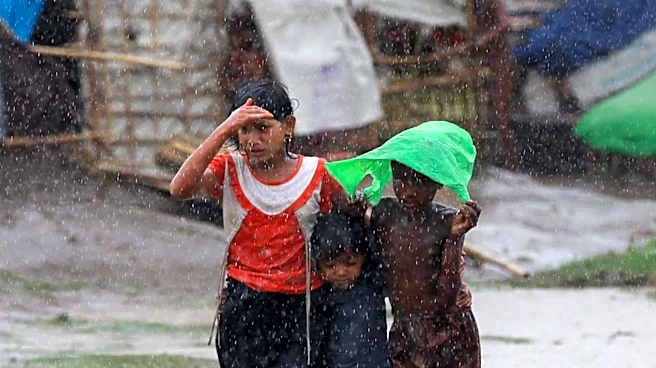
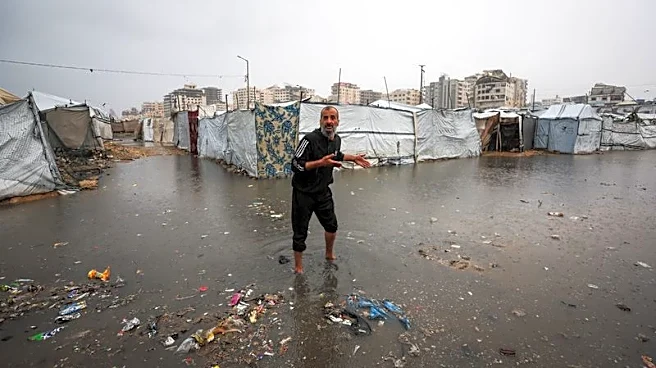
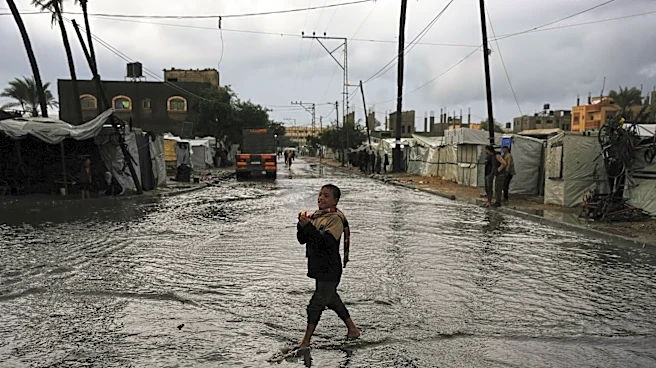
Torrential downpours and strong winds in Gaza have destroyed approximately 70,000 tents, displacing families and causing an estimated $3 million in initial losses, according to the Gaza Government Media Office. This severe weather event has led to widespread
flooding, collapsing home walls, and injuries. Palestinian journalist Abubaker Abed reported that families are now shelterless, food prices are soaring, and children are suffering from hunger and cold. The Palestinian Health Minister, Dr. Majed Abu Ramadan, has warned of a catastrophic deterioration in health and environmental conditions, with increased risks of disease and epidemics. The United Nations Office for the Coordination of Humanitarian Affairs (OCHA) estimates that about 950,000 displaced people in Gaza live in flood-prone areas, with over 400,000 in high-risk locations. Many buildings are structurally unsafe or require demolition due to prior damage, and available shelter supplies meet only 18% of the needs for 294,250 families.
Why It's Important?
The destruction of tens of thousands of tents in Gaza significantly worsens an already dire humanitarian crisis, impacting hundreds of thousands of displaced Palestinians. The flooding not only removes critical shelter but also contaminates water sources, increases the risk of waterborne diseases, and exacerbates food insecurity due to damaged supplies and soaring prices. The inability to provide adequate shelter and aid, partly attributed to ongoing blockades, highlights a critical failure in international humanitarian response. This situation places immense pressure on international organizations and governments to intervene, as the health and safety of a vulnerable population are severely compromised. The long-term implications include potential widespread illness, increased mortality rates, and further destabilization of the region, with calls for immediate action to prevent a larger catastrophe.
What's Next?
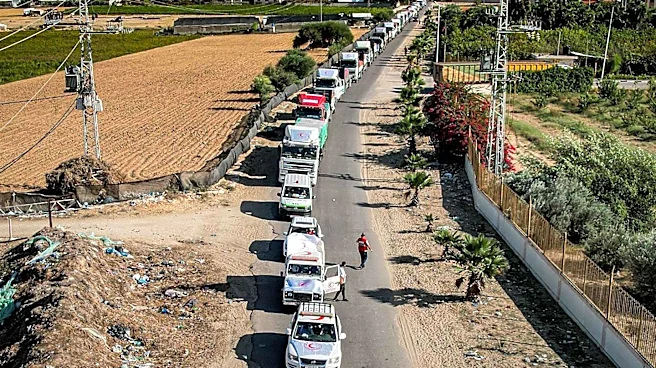
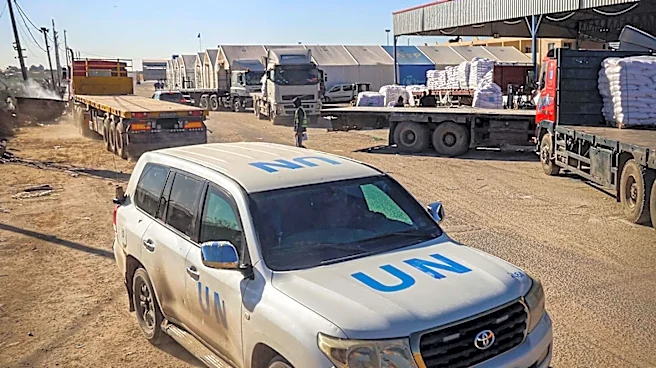
Palestinian Health Minister Dr. Majed Abu Ramadan has issued an urgent appeal to the international community, the United Nations, and health, humanitarian, and relief organizations for immediate intervention to save the lives of hundreds of thousands of displaced people. There is a pressing need for caravans and mobile homes to enter Gaza to provide alternative shelter. The situation is expected to worsen with the approaching winter, increasing the urgency for aid and shelter. Palestinian families in Belgium are seeking an urgent meeting with Foreign Minister Maxime Prevot to facilitate the evacuation of relatives with Belgian visas stranded in Gaza. The federal government in Belgium is considering receiving a delegation representing these families, though previous evacuation plans have faced disagreements within the coalition government.
Beyond the Headlines
The catastrophic flooding in Gaza underscores the profound vulnerability of populations in conflict zones, where natural disasters intersect with existing humanitarian crises to create unprecedented suffering. The destruction of shelters and the blockade of aid raise critical questions about international humanitarian law and the responsibility of states to protect civilian populations. The calls for intervention highlight the ethical imperative to provide assistance regardless of political complexities. This event could trigger a re-evaluation of aid delivery mechanisms and international pressure on all parties involved to ensure unimpeded access for humanitarian relief. The long-term psychological and physical toll on children and families, repeatedly displaced and exposed to extreme conditions, will have lasting societal impacts.