





What's Happening?
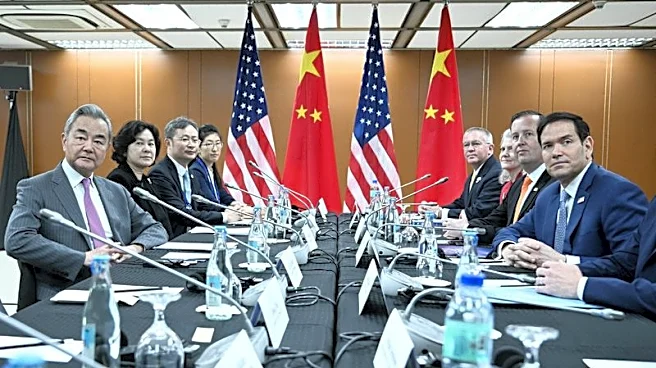
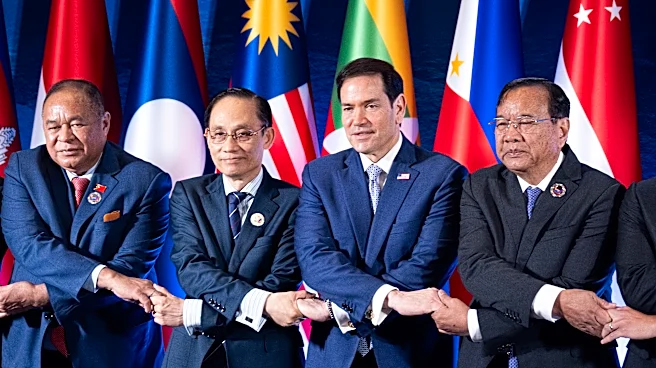
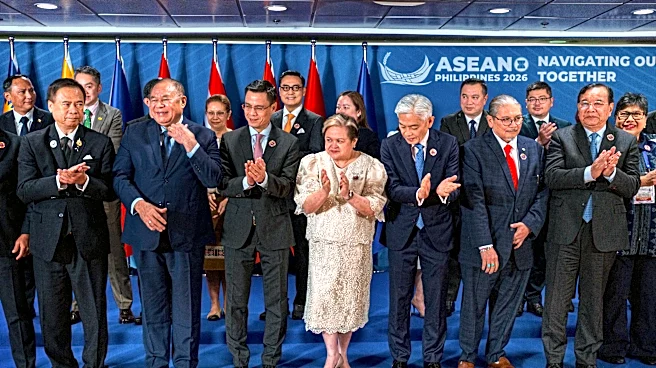
Marco Rubio is facing a complex situation as the ongoing conflict with Iran undermines U.S. reassurances to ASEAN allies. According to Yale Law School's Susan Thornton, Rubio's task of convincing ASEAN of Washington's long-term commitment is becoming
increasingly difficult. The economic repercussions of the Iran conflict are straining relationships with regional allies, prompting ASEAN to consider diversifying their defense partnerships beyond the United States.
Why It's Important?
The U.S.'s ability to maintain strong alliances in Southeast Asia is crucial for geopolitical stability and economic interests in the region. The Iran conflict's impact on these relationships could lead to a shift in ASEAN's defense strategies, potentially reducing U.S. influence. This situation underscores the importance of diplomatic efforts to manage international conflicts and maintain strategic partnerships, which are vital for addressing global security challenges and economic cooperation.
What's Next?
ASEAN countries may accelerate their efforts to diversify defense partnerships, seeking alliances with other global powers. This could lead to a realignment of geopolitical dynamics in Southeast Asia. The U.S. may need to enhance diplomatic engagement and offer reassurances to maintain its influence in the region. Rubio and other U.S. leaders will likely continue to navigate these challenges, balancing domestic and international priorities.