


What's Happening?
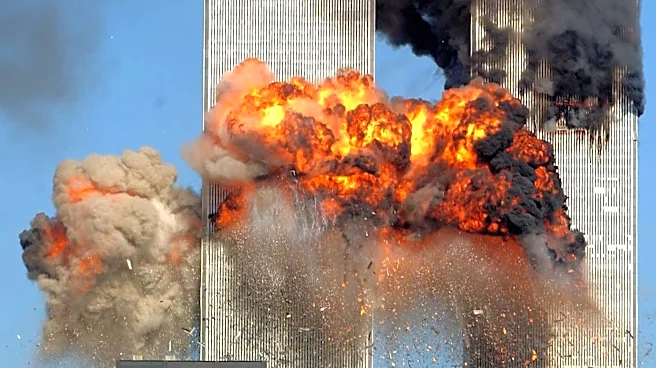
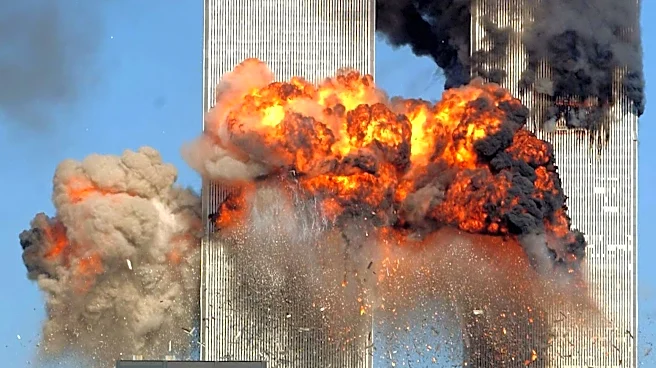
On the 25th anniversary of the September 11, 2001, attacks, former Jimmy Carter White House speechwriter James Fallows and other commentators are reflecting on the U.S. response and its long-term consequences. Fallows, speaking on 'CBS News Sunday Morning,'
discussed how the U.S. 'squandered the goodwill of much of the world' by initiating a war against Iraq, a country he states had no connection to the attacks. He also highlighted the transformation of the U.S. into a 'war machine,' leading to the creation of agencies like the Department of Homeland Security, TSA, and ICE, and the subsequent 'forever wars.' The Bush administration's decision to invade Iraq, despite evidence that none of the 9/11 hijackers or masterminds were from there and the absence of weapons of mass destruction, is cited as a critical misstep. This led to entanglements in Afghanistan and other countries, resulting in disastrous consequences for the U.S. and the world. A report from Brown University, 'Costs of War,' estimates that U.S. military operations in Iraq, Afghanistan, Syria, Yemen, and Pakistan have led to a death toll of at least 4.5 million to 4.7 million as of 2023.
Why It's Important?
The reflections on the 25th anniversary of 9/11 underscore a critical re-evaluation of U.S. foreign policy decisions made in the aftermath of the attacks. The argument that the U.S. 'squandered goodwill' and engaged in 'forever wars' highlights a significant shift in global perception and alliances. The establishment of new government agencies and the expansion of military operations have had profound impacts on civil liberties, national security infrastructure, and the federal budget. The estimated death toll of millions in various countries due to U.S. military operations raises serious questions about the ethical and strategic efficacy of these interventions. This re-assessment is crucial for understanding the current geopolitical landscape, the ongoing debates about military spending, and the U.S.'s role in international conflicts. It also informs discussions about the balance between national security and civil liberties, and the long-term societal costs of prolonged military engagements.
What's Next?
The ongoing discussions and critical analyses of the post-9/11 era are likely to continue shaping public discourse on U.S. foreign policy and national security. These reflections may influence future policy decisions, particularly regarding military interventions, intelligence gathering, and international relations. There could be renewed calls for accountability and a re-evaluation of the strategies employed in the 'War on Terror.' The insights from former officials and academics may also contribute to educational initiatives aimed at providing a more comprehensive understanding of the historical context and consequences of 9/11 and its aftermath. Furthermore, the continued focus on the human and economic costs of these conflicts could lead to increased scrutiny of defense budgets and a push for alternative approaches to global security challenges.
Beyond the Headlines
The deeper implications of the post-9/11 response extend to the erosion of trust in government, the rise of xenophobia, and the normalization of extensive surveillance. The argument that the U.S. government devalued certain lives, leading to millions of deaths, points to a profound ethical crisis. The significant increase in anti-Muslim hate crimes following 9/11, as reported by Human Rights Watch, highlights the societal impact of fear and prejudice. This period also saw a shift in the balance of power between the executive and legislative branches, with increased presidential authority in matters of national security. The 'forever wars' have not only had devastating human costs but have also diverted vast resources that could have been used for domestic development or other global challenges. The ongoing debate about the 'twin terrors'—the initial attacks and the subsequent U.S. response—suggests a need for mutual understanding and a re-examination of the narratives that have shaped American identity and foreign policy for the past quarter-century.