







What's Happening?
Both iPhone and Android devices offer built-in features and settings to help users manage and reduce unwanted calls from unknown numbers and spam. Users can configure their phones to automatically silence calls from numbers not in their contacts list,
sending them directly to voicemail. This functionality is available through settings like 'Silence Unknown Callers' on iPhones and similar options on Android devices, often found within the Phone app's settings. Additionally, some smartphones provide advanced screening features, such as asking unknown callers to state their reason for calling, with a live transcript available to the user. Mobile carriers also offer their own anti-spam tools, often through dedicated apps, which can filter out potential fraud and spam calls, label telemarketers, and provide additional security features, though some advanced options may require a subscription.
Why It's Important?
The proliferation of spam calls, robocalls, and scam attempts has become a significant nuisance and potential financial threat to U.S. consumers. These unwanted calls can disrupt daily life, lead to missed legitimate calls, and expose individuals to fraudulent schemes. The availability and increasing sophistication of built-in smartphone features and carrier tools empower users to regain control over their phone lines, reducing interruptions and enhancing personal security. By effectively filtering and blocking unwanted communications, these tools help protect consumers from financial scams, identity theft, and the general annoyance of unsolicited calls. This is particularly crucial as scammers employ increasingly sophisticated tactics, including spoofing and AI, making it harder for individuals to distinguish legitimate calls from fraudulent ones without technological assistance.
What's Next?
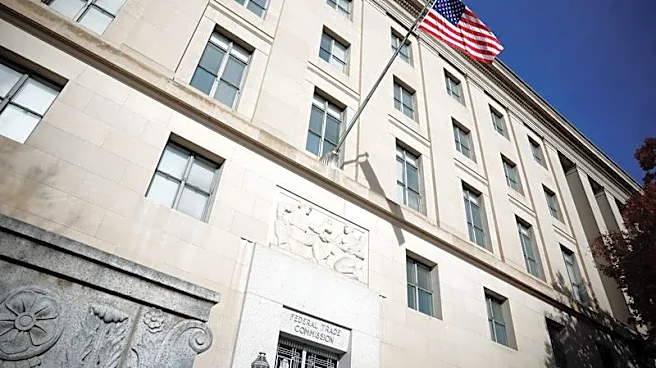
As spam and scam calls continue to evolve, the development and integration of more advanced call filtering and blocking technologies are expected. Smartphone manufacturers and mobile carriers will likely continue to enhance their offerings, potentially incorporating more sophisticated AI-driven detection and real-time threat intelligence. Users should regularly update their phone's operating system and carrier apps to benefit from the latest security features. Additionally, consumer awareness campaigns about these tools and best practices for handling suspicious calls will remain vital. The Federal Trade Commission (FTC) also plays a role, encouraging users to register their numbers on the Do Not Call Registry and report unwanted calls, contributing to broader efforts to combat telemarketing fraud. The ongoing arms race between scammers and protective technologies means continuous vigilance and adaptation will be necessary.
Beyond the Headlines
The issue of unwanted calls extends beyond mere inconvenience, touching upon broader societal concerns regarding privacy, trust in communication, and the digital divide. For vulnerable populations, such as the elderly, spam calls can pose a significant risk of financial exploitation. The reliance on technological solutions to filter calls also raises questions about potential over-blocking of legitimate but unfamiliar contacts, highlighting the need for balanced and customizable settings. Furthermore, the global nature of many scam operations means that domestic solutions, while effective, are part of a larger, international effort to combat cybercrime. The continuous need for individuals to be vigilant and educated about digital threats underscores a growing challenge in maintaining a secure and trustworthy communication environment in an increasingly interconnected world.