





What's Happening?
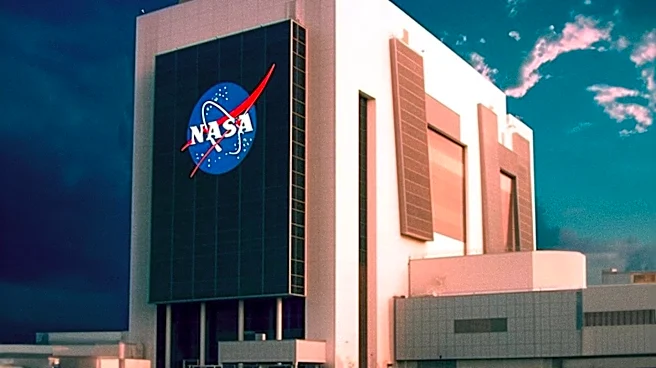
NASA engineers and scientists at the Goddard Space Flight Center in Greenbelt, Maryland, are raising concerns that management decisions to rapidly relocate labs and equipment are compromising the agency's ability to conduct future space missions. According
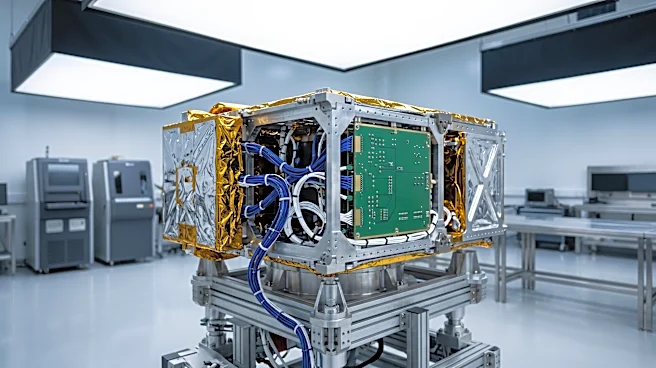
to NPR, current and former employees report that forced moves over the past 10 months have led to the loss of specialized workspaces, critical equipment, and skilled personnel. These disruptions have reportedly impacted ongoing projects, including the Nancy Grace Roman Space Telescope and the GRITSS satellite. Engineers claim they were forced to launch the GRITSS satellite without adequate testing of its radio communications, and work on the DAVINCI mission to Venus was delayed due to a lack of lab space. Internal NASA documents reviewed by NPR indicate that these moves were intended to reduce costs and eliminate redundancies, aligning with a master plan for Goddard's campus to avoid tens of millions of dollars in deferred maintenance. However, employees contend that the relocations are having a detrimental effect on NASA's mission capabilities.
Why It's Important?
The alleged mismanagement at NASA's Goddard Space Flight Center carries significant implications for the U.S. space program and taxpayer investment. The U.S. has historically been a leader in space exploration, and any degradation of NASA's capabilities could undermine this position. The loss of specialized equipment and workspaces, coupled with the departure of experienced engineers, could lead to delays, increased costs, and a higher risk of failure for future missions. As Jack Kiraly, chief of advocacy at the Planetary Society, noted, these are potentially billions of dollars' worth of taxpayer investment, and putting the personnel responsible in precarious situations is counterproductive. The situation also raises questions about accountability within federal agencies, especially given that an Office of Inspector General report in June stated that the moves had not harmed ongoing projects. If these claims are accurate, the long-term impact could be a diminished capacity for the U.S. to innovate and lead in space science and technology.
What's Next?
The concerns raised by NASA engineers and scientists suggest a need for further investigation and potential policy changes within the agency. The upcoming discussion of the White House budget request, which proposes a significant decrease in NASA's budget for 2027, could exacerbate these issues if the agency's infrastructure and personnel are already under strain. Stakeholders, including Congress, may need to scrutinize NASA's management practices and the impact of budget cuts on its operational capabilities. The high percentage of Goddard engineers considering leaving the agency, as indicated by an internal survey, points to a potential brain drain that could further cripple future projects. Addressing these concerns will likely involve a re-evaluation of the cost-saving measures, a focus on retaining skilled personnel, and ensuring that critical infrastructure is maintained to support the complex demands of space exploration.
Beyond the Headlines
Beyond the immediate operational challenges, this situation highlights deeper issues concerning the balance between fiscal responsibility and scientific advancement in federal agencies. The alleged disposal of valuable, restricted equipment through auctions and donations, without the knowledge of the scientists who used it, raises ethical questions about the stewardship of taxpayer-funded assets. The potential for sensitive technology to fall into the wrong hands, as highlighted by Kiraly, underscores national security implications. Furthermore, the reported lack of consultation with scientists regarding the relocation of their labs and equipment suggests a disconnect between management and the technical workforce, which could foster a culture of distrust and disengagement. This scenario could set a precedent for how federal research institutions manage their resources, potentially impacting other critical scientific endeavors across the U.S. government.