





What's Happening?
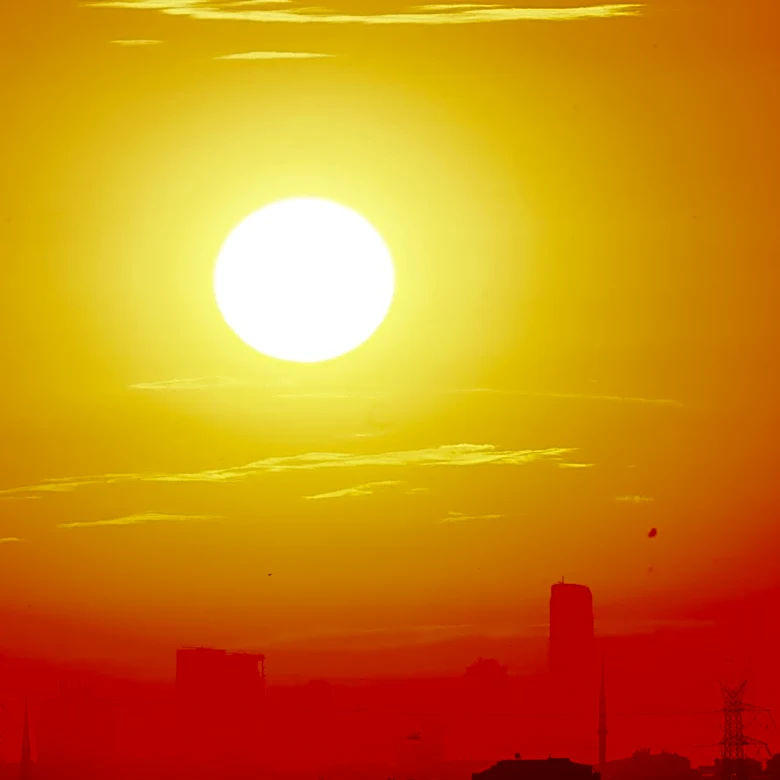
Europe is experiencing an increasing demand for air conditioning as heat waves become more frequent and intense. Traditionally, many European homes were not designed for air conditioning, with older buildings poorly insulated and newer constructions retaining
heat. This has led to uncomfortable living conditions during the summer months. In response, sales of air conditioning units are rising, particularly in countries like Britain, where historically, air conditioning was uncommon. The shift is driven by the need to adapt to a changing climate, as highlighted by the UK's Climate Change Committee, which has emphasized the necessity of cooling systems in homes, hospitals, and schools. The committee has recommended measures such as installing shades and awnings, but acknowledges that air conditioning will be essential in many cases.
Why It's Important?
The growing need for air conditioning in Europe underscores the broader impacts of climate change on infrastructure and daily life. As temperatures rise, the demand for cooling solutions is expected to increase, potentially straining energy resources and financial budgets. This shift also highlights the need for energy-efficient solutions to prevent exacerbating the climate crisis. The situation presents both challenges and opportunities for industries involved in energy, construction, and technology, as they work to develop sustainable cooling solutions. Additionally, the adaptation of European infrastructure to accommodate air conditioning could influence building regulations and urban planning, impacting economic and environmental policies across the continent.
What's Next?
As Europe continues to grapple with rising temperatures, governments and industries are likely to focus on enhancing energy efficiency and developing sustainable cooling technologies. This may involve investments in infrastructure upgrades, such as retrofitting buildings with better insulation and ventilation systems. Policymakers may also need to address the economic implications of increased energy consumption and explore incentives for adopting energy-efficient cooling solutions. The transition to widespread air conditioning use will require careful planning to balance immediate needs with long-term sustainability goals.
Beyond the Headlines
The shift towards air conditioning in Europe raises questions about cultural and lifestyle changes, as regions traditionally accustomed to milder climates adapt to new environmental realities. This transition may also prompt discussions about equity and access, as not all communities may afford the costs associated with cooling solutions. Furthermore, the increased reliance on air conditioning could have implications for public health, as it may alter indoor air quality and affect vulnerable populations. These considerations highlight the complex interplay between climate adaptation, social equity, and environmental sustainability.