







What's Happening?
Operation Sindoor, a significant military engagement between India and Pakistan in May 2025, marked a pivotal moment in the integration of artificial intelligence (AI) into modern warfare. The conflict, which involved airstrikes and a subsequent ceasefire,
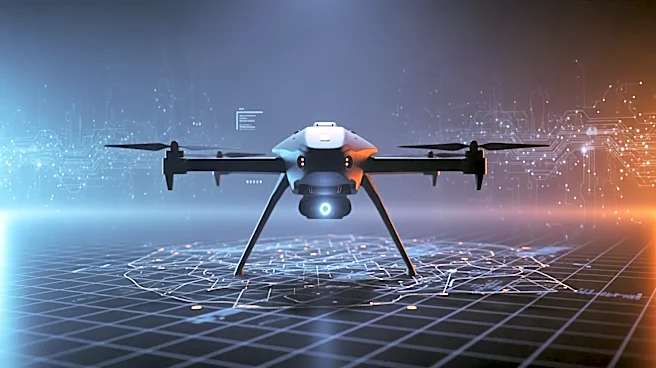
showcased the strategic use of AI by both nations. India openly utilized AI to enhance battlefield intelligence and operational efficiency, employing systems like the Sanjay Battlefield Surveillance System and the Electronic Intelligence Collation and Analysis System. These technologies provided real-time data and high accuracy in identifying enemy positions. Conversely, Pakistan leveraged AI for disinformation, creating deepfakes and misleading content to influence global perceptions. This dual use of AI underscores its growing importance in both kinetic and informational warfare.
Why It's Important?
The use of AI in Operation Sindoor illustrates a shift in military strategy, where technological superiority can significantly influence outcomes. For the U.S. and other global powers, this development highlights the need to adapt to new warfare paradigms that combine traditional military tactics with cyber and informational strategies. The ability to deploy AI for real-time decision-making and misinformation campaigns presents both opportunities and challenges. Nations that can effectively integrate AI into their military operations may gain a strategic advantage, while those that fail to address the ethical and governance issues surrounding AI use in warfare could face significant risks.
What's Next?
As AI continues to evolve, its role in military conflicts is likely to expand. Countries may invest more in AI research and development to enhance their defense capabilities. This could lead to an arms race in AI technologies, with nations striving to achieve superiority in both kinetic and cyber warfare. Additionally, international bodies may need to establish frameworks to govern the use of AI in conflicts, addressing issues such as misinformation and the ethical implications of autonomous systems. The lessons from Operation Sindoor could inform future military strategies and international cooperation in AI governance.
Beyond the Headlines
The integration of AI into warfare raises important ethical and legal questions. The use of deepfakes and misinformation challenges the integrity of information and can undermine democratic processes. Moreover, the reliance on AI for decision-making in military contexts poses risks related to accountability and control. As AI systems become more autonomous, ensuring that they operate within ethical boundaries and under human oversight will be crucial. The broader implications of AI in warfare extend beyond immediate military outcomes, potentially affecting global stability and security.