

What's Happening?
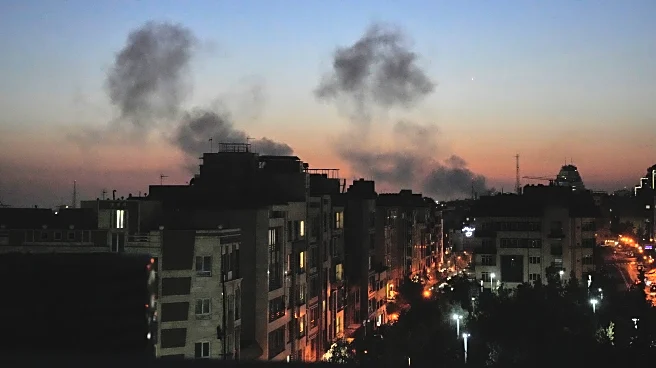
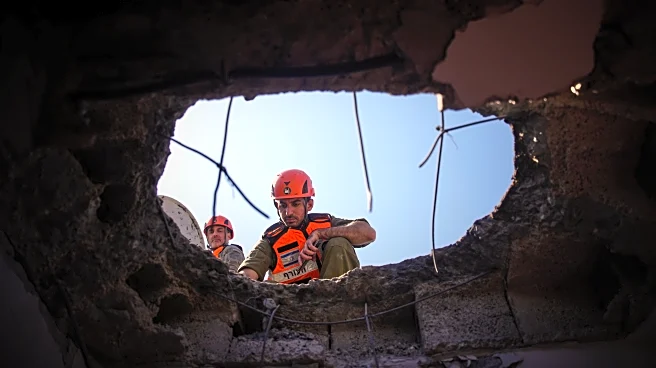
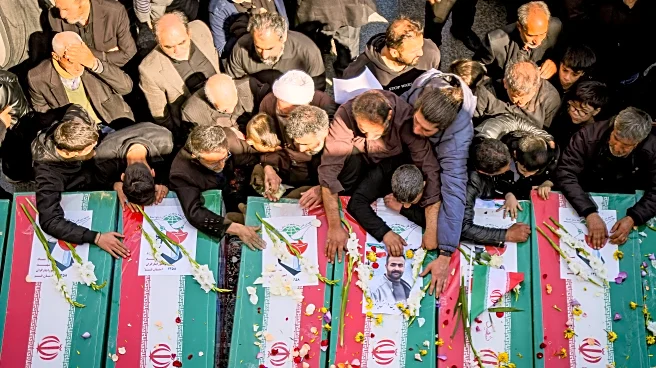
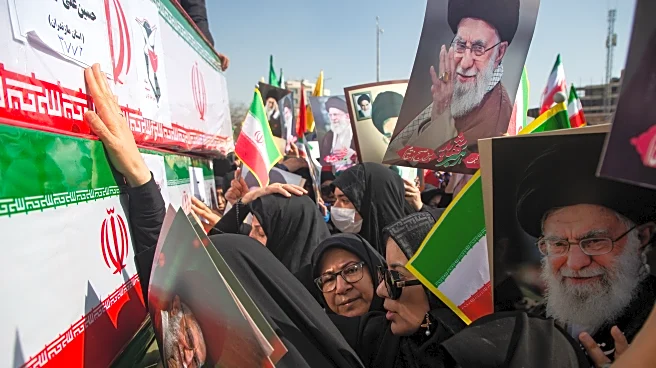
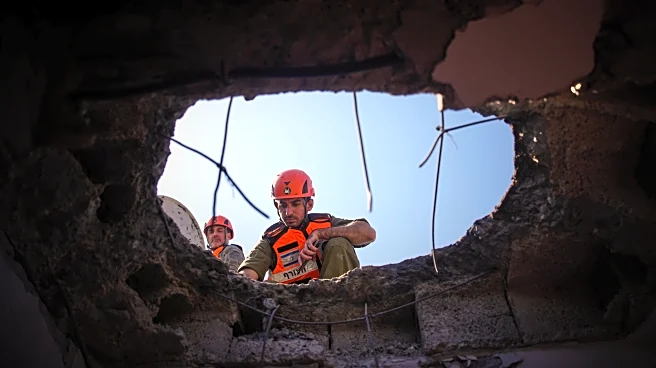
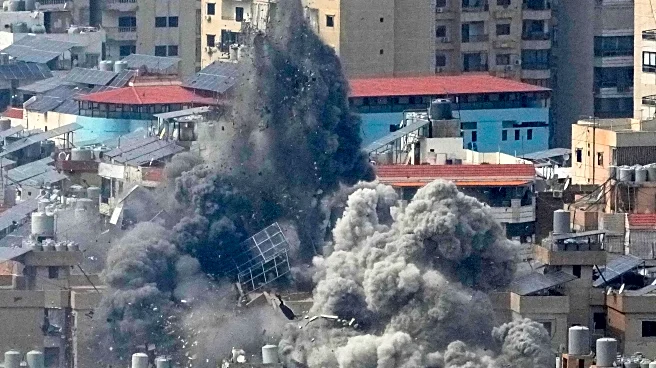
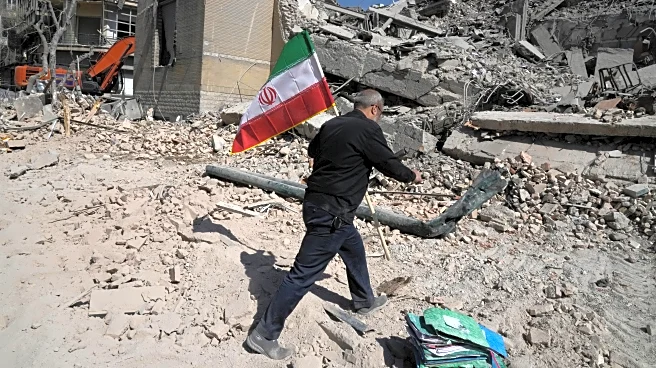
The conflict in the Middle East is intensifying as the U.S. and Israel continue their military campaign against Iran, now entering its sixth day. Recent images reveal widespread destruction in Tehran following a series of strikes. In retaliation, Iran has
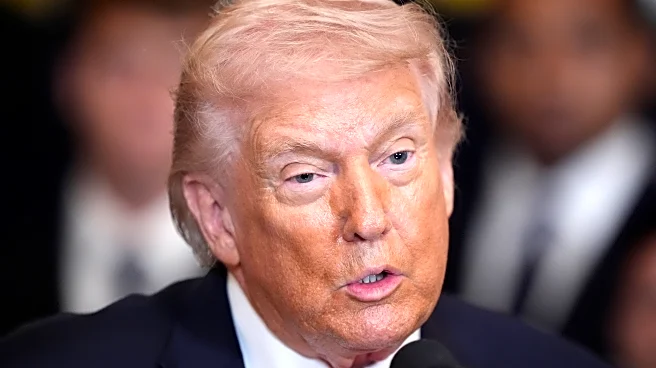
launched missiles and drones targeting Israel and U.S. allies in the region. Explosions have been reported in Qatar and Bahrain, and Azerbaijan claims to have been attacked by Iranian drones. Additionally, Tehran has alleged that its naval forces struck a U.S. tanker in the Persian Gulf. President Trump has indicated that the conflict could last several weeks, though it may extend further.
Why It's Important?
The escalating conflict poses significant risks to regional stability and global security. The Middle East is a critical hub for global oil supply, and disruptions could lead to economic repercussions worldwide. The conflict also threatens to draw in additional countries, potentially leading to a broader regional war. The situation underscores the fragile geopolitical dynamics in the Middle East and the challenges of maintaining peace and security in the region. The U.S. and its allies must navigate complex diplomatic and military strategies to manage the crisis.
What's Next?
The continuation of hostilities could lead to further military engagements and potential escalation into a larger conflict. Diplomatic efforts may intensify as international actors seek to mediate and de-escalate tensions. The U.S. and its allies might increase military presence in the region to protect strategic interests. The conflict's progression will likely influence global oil markets and international relations, prompting discussions on conflict resolution and peacekeeping strategies.
Beyond the Headlines
The conflict raises questions about the long-term implications for U.S. foreign policy and its role in the Middle East. It highlights the complexities of international alliances and the potential for unintended consequences in military interventions. The situation may also impact domestic politics in the U.S., influencing public opinion and policy decisions regarding military engagement and foreign relations.