

What's Happening?
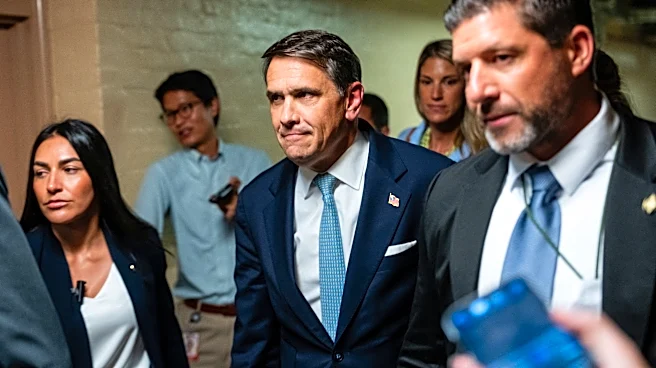
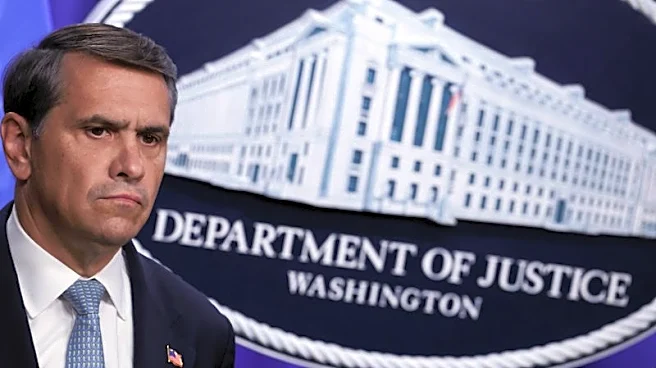
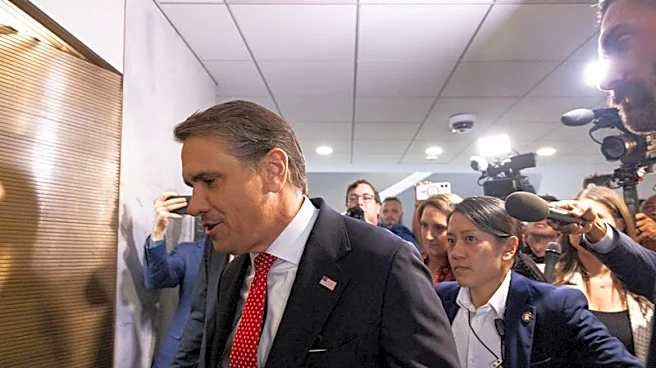
The Senate has advanced the nomination of Todd Blanche for Attorney General, following assurances that he would terminate the controversial $1.8 billion 'anti-weaponization fund.' This fund was intended to support individuals claiming unfair prosecution
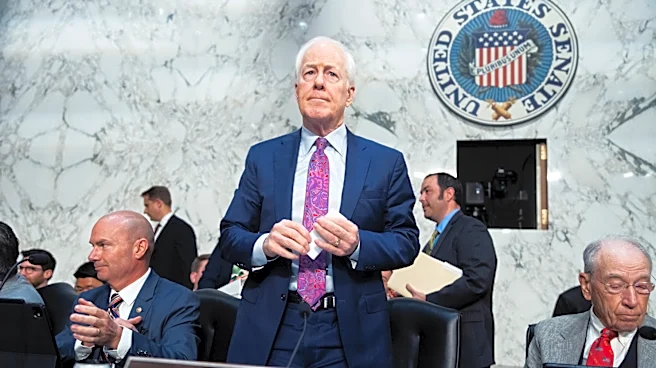
by the federal government, including those involved in the January 6th insurrection. Senators John Cornyn and Thom Tillis, initially hesitant, agreed to support Blanche's nomination after receiving written commitments to limit the fund and audit protections for President Trump and his family. Despite these assurances, Democrats have expressed concerns about potential loopholes in the agreement. Blanche's nomination has been a focal point of misinformation, given his prominent role in the Trump administration and his involvement in legal matters concerning the former president.
Why It's Important?
The advancement of Todd Blanche's nomination highlights the contentious nature of political appointments in the current U.S. political climate. The decision to support Blanche, despite initial reservations, reflects the complex negotiations and compromises often required in the Senate. The controversy surrounding the anti-weaponization fund underscores the ongoing debate over accountability and justice in the aftermath of the January 6th insurrection. This development may influence public perception of the Justice Department's impartiality and the broader political landscape, particularly as it relates to President Trump's influence and the Republican Party's internal dynamics.
What's Next?
As Todd Blanche's nomination moves forward, the Senate will continue to scrutinize his commitments and the implications of his potential leadership of the Justice Department. The focus will likely remain on ensuring that the anti-weaponization fund and audit protections are effectively curtailed, as promised. The outcome of Blanche's confirmation could impact future legal and political strategies, particularly regarding the handling of cases related to the insurrection and other high-profile matters involving President Trump. The Senate's actions may also set a precedent for how similar issues are addressed in the future, influencing the balance of power and accountability within the federal government.