




What's Happening?
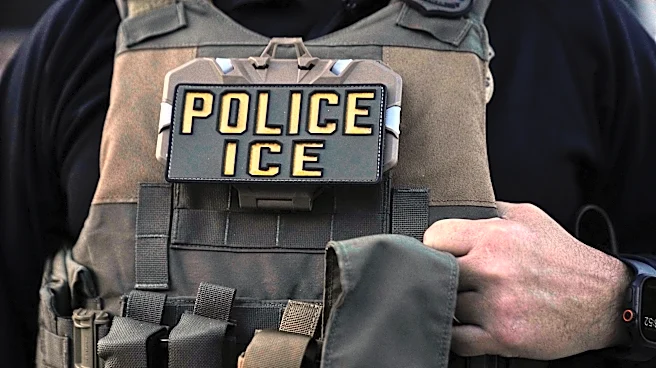
Sister Leticia Ugboaja, a nun and registered nurse, was detained by U.S. Immigration and Customs Enforcement (ICE) officers while walking to Our Lady of Sorrows Church in McAllen, Texas. Her arrest, occurring near the U.S.-Mexico border, sparked significant
attention and intervention from local Congress members, including U.S. Rep. Monica de la Cruz. Parish officials quickly posted about the incident on social media, leading to public outcry and political involvement. Sister Ugboaja, part of the Daughters of Mary Mother of Mercy, was released from custody and returned home. The Department of Homeland Security and ICE have not commented on the incident.
Why It's Important?
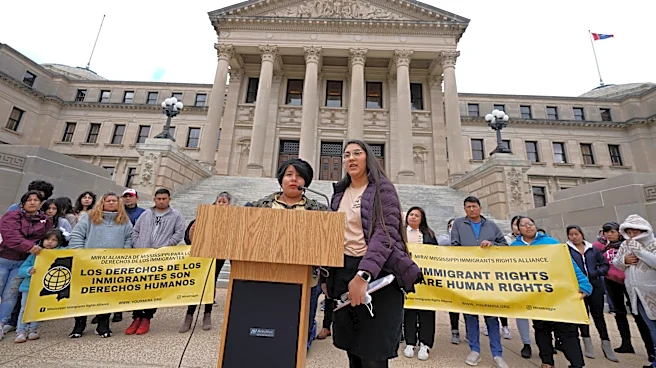
The arrest of Sister Ugboaja highlights ongoing tensions surrounding immigration enforcement, particularly at sensitive locations like places of worship. It underscores the challenges faced by religious communities in navigating immigration policies under President Trump's administration. The incident has prompted faith leaders to reconsider their approaches to supporting church members who fear attending services due to immigration crackdowns. This situation reflects broader societal concerns about the balance between immigration enforcement and religious freedom, potentially influencing public policy and community relations.
What's Next?
Following Sister Ugboaja's release, there may be increased advocacy for clearer guidelines on immigration enforcement at religious sites. Faith leaders and community organizations might push for policy changes to protect individuals from similar incidents. The case could lead to further discussions among lawmakers about the impact of immigration policies on religious communities, potentially resulting in legislative proposals aimed at safeguarding religious freedoms while addressing security concerns.
Beyond the Headlines
The incident raises ethical questions about the intersection of immigration enforcement and religious freedom. It challenges the notion of safe spaces for worship and the role of religious institutions in advocating for vulnerable populations. The arrest may prompt broader cultural discussions on the rights of religious figures and the responsibilities of government agencies in respecting those rights while enforcing immigration laws.